World Heritage Identification Number: 1603
World Heritage since: 2019
Category: Natural Heritage
WHE Type: Protected Areas & National Parks
Transboundary Heritage: No
Endangered Heritage: No
Country: 🇫🇷 France
Continent: Europe
UNESCO World Region: Europe and North America
Map
French Austral Lands and Seas: A Biodiversity Haven in the Southern Ocean
The French Austral Lands and Seas (FALS) is an extraordinary expanse of land and sea located in the remote southern Indian Ocean. Comprising several archipelagos and isolated islands, this UNESCO World Heritage Site encompasses over 166 million hectares, making it one of the largest territories under French sovereignty.
More to come…UNESCO Description of the World Heritage Site
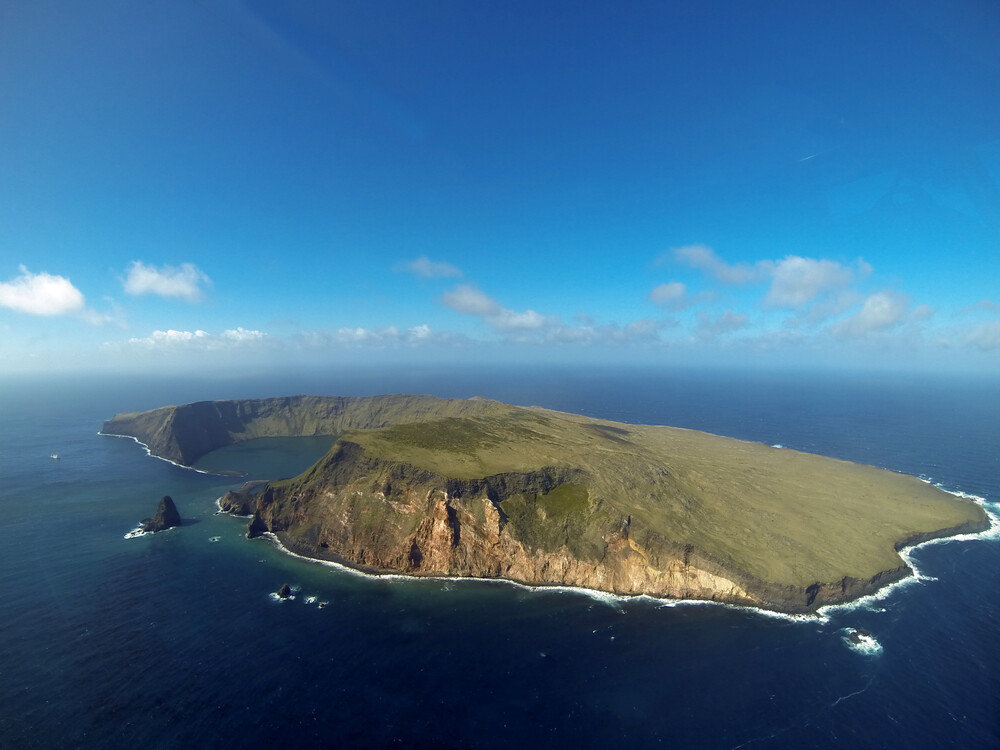
The French Austral Lands and Seas comprise the largest of the rare emerged landmasses in the southern Indian Ocean: the Crozet Archipelago, the Kerguelen Islands, Saint-Paul and Amsterdam Islands as well as 60 small sub-Antarctic islands. This ‘oasis’ in the middle of the Southern Ocean covers an area of more than 166 million ha and supports one of the highest concentrations of birds and marine mammals in the world. In particular, it has the largest population of King Penguins and Yellow-nosed albatrosses in the world. The remoteness of these islands from centres of human activity makes them extremely well-preserved showcases of biological evolution and a unique terrain for scientific research.
UNESCO Justification of the World Heritage Site
Criterion (vii): The French Austral Lands and Seas, with their pristine natural heritage, are one of the last wilderness areas on the planet. They feature a unique concentration of marine birds and mammals in the sub-Antarctic region, with enormous colonies where an abundance of species, sounds, colours and scents blend harmoniously. A few examples are the world’s largest colony of King Penguins on Île aux Cochons in Crozet Archipelago, the world’s biggest colony of Yellow-nosed Albatross on the sheer cliffs of Entrecasteaux on Amsterdam Island, and the second largest population of Elephant Seals in the world on Courbet Peninsula in Kerguelen. Grandiose volcanic landscapes teeming with life reinforce the exceptional character of the site. These territories stimulate the imagination and are a source of inspiration to anyone.
Criterion (ix): The French Austral Lands and Seas lie at the convergence of three ocean fronts and have large continental shelves. This makes them extremely productive areas in the midst of a relatively poor ocean, allowing the development of a rich and diverse food web. The site is vast and includes one of the largest marine protected areas in the world. Because of this, it features a high representation of the biodiversity of the Southern Ocean and the ecological processes that occur in it. It protects all the key areas to support the life cycles of species in the territory, thus ensuring the maintenance of high concentrations of marine birds and mammals. The importance of these primary productive areas and their role in the regulation of the carbon cycle make an essential contribution to the health of oceans. These remote islands, which lie thousands of kilometres away from any continent and are protected from the impact of human activities, are true showcases of biological evolution and therefore unique models to monitor global changes.
Criterion (x): The French Austral Lands and Seas are an exceptional site for the conservation of the world’s birds. They are home to over 50 million birds of up to 47 species. Close to half of the global population of 16 of these species breeds on these islands. For example, they feature the largest population of King Penguin and Yellow-nosed Albatross in the world, as well as 8 endemic species such as the Amsterdam Albatross, a flagship species and one of the world’s rarest birds. They also host large populations of Pinnipeds, including the second largest colony of Southern Elephant Seals and the third largest colony of sub-Antarctic Fur Seals in the world, and also cetaceans such as Commerson’s Dolphin, an endemic subspecies occurring in Kerguelen. The species richness and diversity of the French Austral Lands and Seas, which is unique in the Southern Ocean, gives the site an Outstanding Universal Value.
Encyclopedia Record: French Southern and Antarctic Lands
The French Southern and Antarctic Lands is an overseas territory of France.Additional Site Details
Area: 166,267,100 hectares
Number of Components: 3
(ix) — Outstanding example representing ecological and biological processes
(x) — Contains most important habitats for biodiversity
Coordinates: -49.3803611111 , 69.3528055556
IUCN World Heritage Outlook
The 2025 Conservation Outlook on French Austral Lands and Seas reports the following assessment:
Source: International Union for Conservation of Nature (IUCN) · View assessment
Image
© Nelly Gravier. Used with permission.