World Heritage Identification Number: 862
World Heritage since: 1998
Category: Cultural Heritage
WHE Type: Buildings & Architectural Ensembles
Transboundary Heritage: No
Endangered Heritage: No
Country: 🇲🇽 Mexico
Continent: Americas
UNESCO World Region: Latin America and the Caribbean
Map
The Historic Monuments Zone of Tlacotalpan: A Colonial River Port Preserved in Time
The Historic Monuments Zone of Tlacotalpan, located in the Mexican state of Veracruz, stands as a testament to the rich history and cultural diversity that defines this region. Inscribed as a UNESCO World Heritage Site in 1998, Tlacotalpan offers visitors a unique glimpse into the colonial past of Mexico, blending Spanish and Caribbean architectural influences with a vibrant local culture.
More to come…UNESCO Description of the World Heritage Site
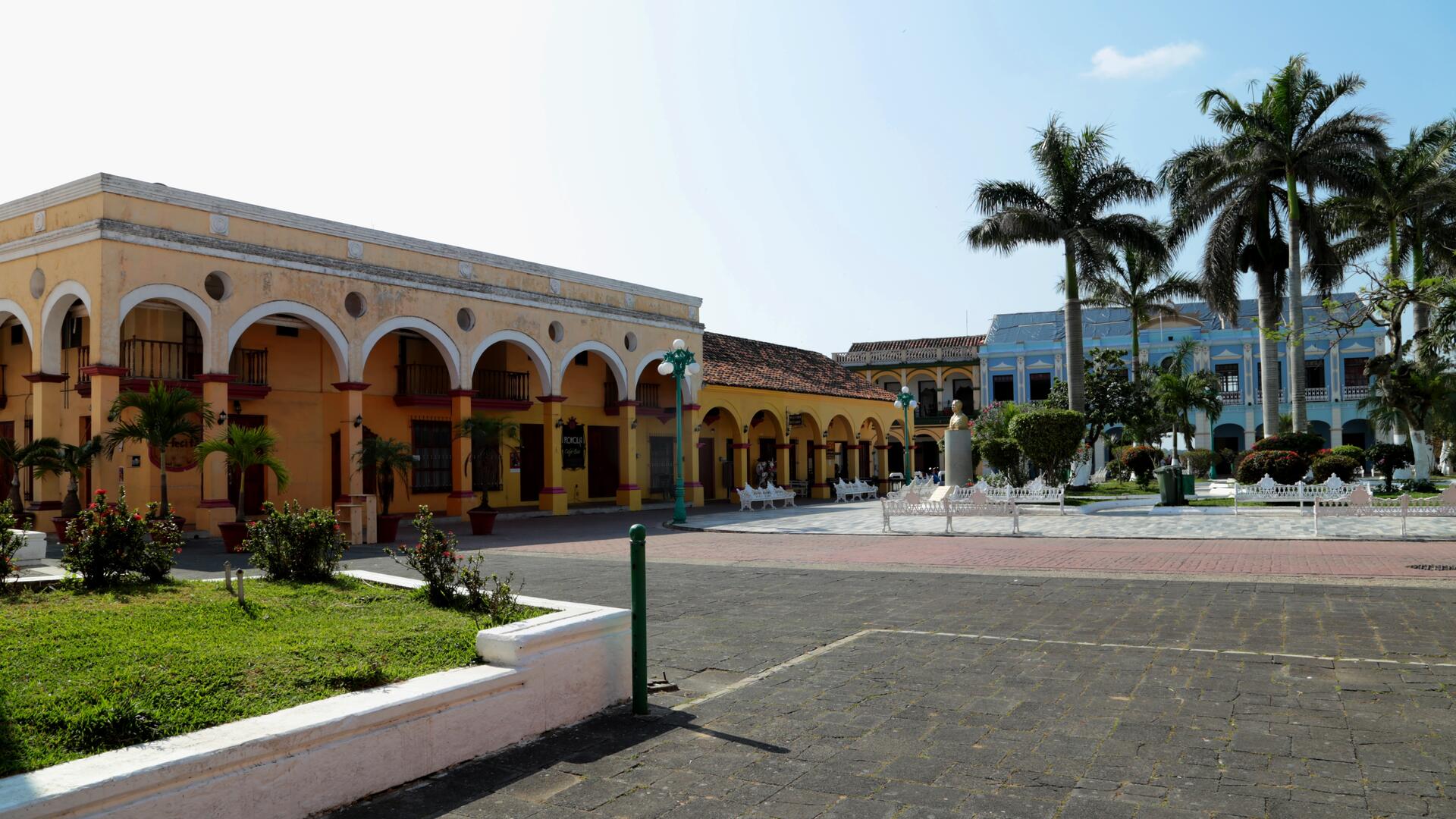
Tlacotalpan, a Spanish colonial river port on the Gulf coast of Mexico, was founded in the mid-16th century. It has preserved its original urban fabric to a remarkable degree, with wide streets, colonnaded houses in a profusion of styles and colours, and many mature trees in the public open spaces and private gardens.
UNESCO Justification of the World Heritage Site
Criterion ii: The urban layout and architecture of Tlacotalpan represent a fusion of Spanish and Caribbean traditions of exceptional importance and quality. Criterion iv: Tlacotalpan is a Spanish colonial river port on the Gulf coast of Mexico which has preserved its original urban fabric to an exceptional degree. Its outstanding character lies in its townscape of wide streets, modest houses in an exuberant variety of styles and colours, and many mature trees in public and private open spaces.
Encyclopedia Record: Tlacotalpan
Tlacotalpan is a city in Tlacotalpan Municipality in the Mexican state of Veracruz, declared a World Heritage Site by UNESCO in 1998 primarily for its architecture and colonial-era layout. The town was established in 1550 on what was originally an island in the Papaloapan River. From the colonial era to the 20th century, it was an important port, one of few interior river ports in Latin America. However, with the construction of the railroad, Tlacotalpan's importance faded. Starting in the latter 20th century, efforts to conserve the city's Spanish/Caribbean architecture and layout began, culminating in World Heritage status. Today, its main economic support is fishing and tourism, especially to the annual feast in honor of Our Lady of Candlemas.Additional Site Details
Area: 75 hectares
Number of Components: 1
(iv) — Outstanding example of a type of building or landscape
Coordinates: 18.613459 , -95.658676
Image
© panza.rayada, CC BY-SA 3.0 Resized from original. (This derivative is under the same CC BY-SA license.)
World Heritage Research
Discover scientific research and academic studies that deepen our understanding of Historic Monuments Zone of Tlacotalpan from its history and significance to its conservation, management, and contemporary challenges.
-
Espacio, fiesta y turismo en Tlacotalpan, Veracruz
Tlacotalpan, Veracruz's historic monuments zone, exemplifies how cultural heritage and tourism intersect to shape spatial dynamics. The study reveals that the annual festival honoring the Virgin of Candelaria transforms the area into a tourist space through processes of patrimonialization, spectacularization, and mercantilization. These elements, rooted in architectural preservation efforts and jaranera culture, create diverse, negotiated experiences while integrating local traditions into global market logic. The research highlights how this space produces power relations around cultural assets, demonstrating the complex interplay between tradition, heritage, and tourism.
Quintana Bustamante, R. (2020). Espacio, fiesta y turismo en Tlacotalpan, Veracruz. Ulúa. Revista de Historia, Sociedad Y Cultura, (32). https://doi.org/10.25009/urhsc.v0i32.2606
View Publication Record | Read Publication -
Tlacotalpan, Patrimonio Cultural de la Humanidad
Tlacotalpan's recognition as a UNESCO World Heritage Site in 1998 marked it as Mexico's eighth urban ensemble to achieve this prestigious status, yet public understanding of the implications remains limited. The study highlights the significance of this designation while addressing gaps in awareness about its cultural and heritage impact. It employs qualitative analysis to elucidate the historical, architectural, and social dimensions of Tlacotalpan, offering insights into its global recognition as a testament to human creativity and tradition.
Guerrero, L. F. (2012). Tlacotalpan, Patrimonio Cultural de la Humanidad. Bitácora Arquitectura, (2), 44. https://doi.org/10.22201/fa.14058901p.2000.2.33864
View Publication Record | Read Publication