World Heritage Identification Number: 1589
World Heritage since: 2019
Category: Cultural Heritage
WHE Type: Natural Landscapes & Geographic Features
Transboundary Heritage: No
Endangered Heritage: No
Country: 🇨🇿 Czechia
Continent: Europe
UNESCO World Region: Europe and North America
Map
The Landscape for Breeding and Training of Ceremonial Carriage Horses at Kladruby nad Labem: A Unique Cultural Landscape
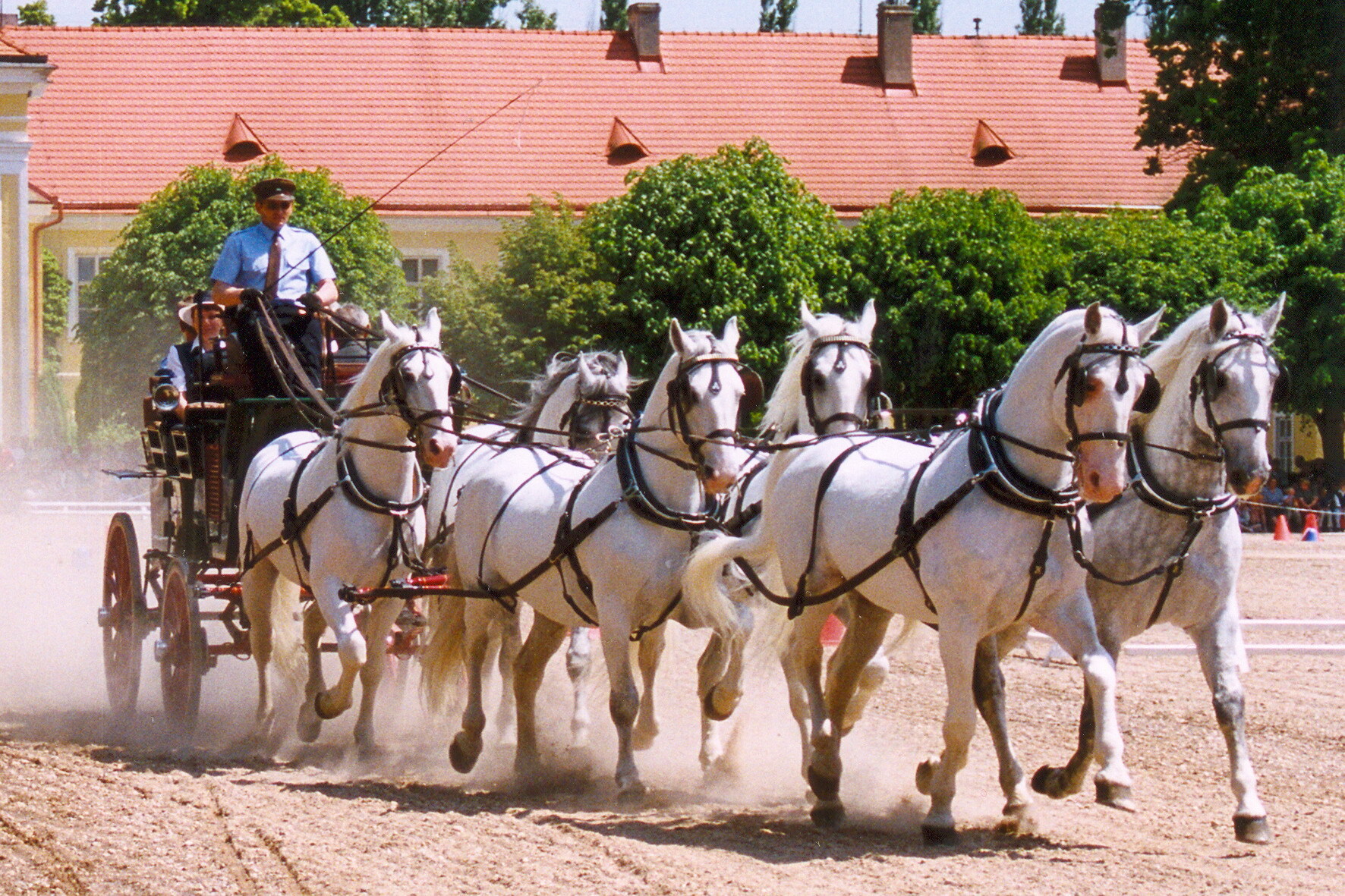
The Landscape for Breeding and Training of Ceremonial Carriage Horses at Kladruby nad Labem, located in the Pardubice Region of the Czech Republic, is a remarkable example of a cultural landscape that seamlessly blends functionality and artistry. Inscribed as a UNESCO World Heritage Site in 2019, this unique landscape has been dedicated to the breeding and training of the Kladruber horse breed since the establishment of the Imperial Stud Farm in 1579.
More to come…UNESCO Description of the World Heritage Site
The property is situated on the Elbe (Labe) River flood plain where there is sandy soil, ox bow lakes and the relic of a riparian forest. The structure and functional use of plots of land (pastures, meadows, forests, fields, park), network of paths, avenues, trees in regimented lines and arranged clusters as well as the solitary trees, the network of watercourses, ensembles of buildings in the farmsteads and the overall composition including functional relations and links between these components - all this fully serves the needs of breeding and training of the Baroque draught horses of the Kladruber breed which were used during the ceremonies at the Habsburg Imperial Court. The composition of the landscape is the evidence of the intentional artistic approach to the landscape. The property is a rare example of the synthesis of two types of cultural landscape - living and organically developing landscape where its key function dominates and the manmade landscape intentionally designed and created using the principles of the French and English landscape architecture which is an outstanding example of the specialised decorative farm - ferme ornée. The Imperial Stud Farm was founded in 1579 and its landscape has been used for this purpose since then.
Encyclopedia Record: Kladruby nad Labem
Kladruby nad Labem is a municipality and village in Pardubice District in the Pardubice Region of the Czech Republic. It has about 600 inhabitants. It is known as the home of the Kladruber horse breed. The village with the surrounding landscape is a UNESCO World Heritage Site.Additional Site Details
Area: 1,310 hectares
(v) — Outstanding example of traditional human settlement
Coordinates: 50.05665 , 15.4842583333