World Heritage Identification Number: 1425
World Heritage since: 2015
Category: Cultural Heritage
WHE Type: Agriculture Landscapes, Parks & Gardens
Transboundary Heritage: No
Endangered Heritage: No
Country: 🇫🇷 France
Continent: Europe
UNESCO World Region: Europe and North America
Map
The Climats, Terroirs of Burgundy: A Cultural Landscape of Wine Production
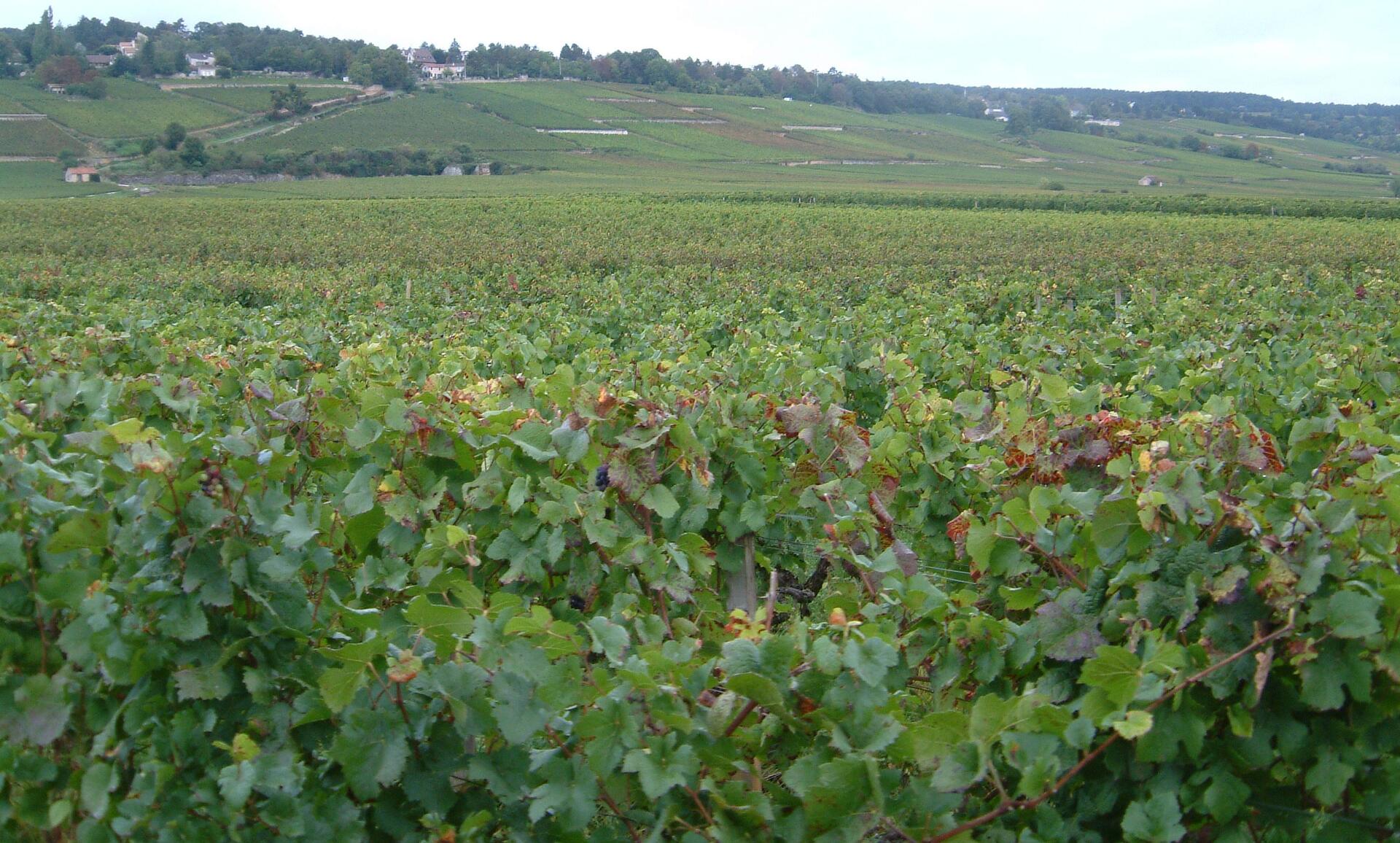
The Climats, Terroirs of Burgundy, inscribed as a UNESCO World Heritage Site in 2015, represents a remarkable cultural landscape that showcases the longstanding tradition of viticulture and wine production in the Burgundy region of France. This site encompasses two distinct yet interconnected components: the vineyards and their surrounding production units, and the historic center of Dijon, embodying the political and regulatory forces that shaped the climats system.
More to come…UNESCO Description of the World Heritage Site
The climates are precisely delimited vineyard parcels on the slopes of the Côte de Nuits and the Côte de Beaune south of the city of Dijon. They differ from one another due to specific natural conditions (geology and exposure) as well as vine types and have been shaped by human cultivation. Over time they came to be recognized by the wine they produce. This cultural landscape consists of two parts. Firstly, the vineyards and associated production units including villages and the town of Beaune, which together represent the commercial dimension of the production system. The second part includes the historic centre of Dijon, which embodies the political regulatory impetus that gave birth to the climats system. The site is an outstanding example of grape cultivation and wine production developed since the High Middle Ages.
UNESCO Justification of the World Heritage Site
Criterion (iii): The geo-system of the Burgundy Climats, in associating the cadastral vineyard parcels, the villages of the Côte and the towns of Dijon and Beaune, is a remarkable example of a vineyard historic landscape the authenticity of which has never been questioned throughout the centuries and where viticulture is still lively. The vitality of this activity rests upon the transmission to future generations of experimented practices and the at least ten-centuries-long accumulation of vine farming and wine-making know-how. The differentiation of the cultivated parcels and terroirs was made possible by the political and commercial impetus of the towns of Dijon and Beaune which still remain lively centres for scientific and technical training, commerce and institutional representation. This distinction is accompanied by the progressive compilation of a body of regulations the completion of which corresponds to the establishment, in the first half of the 20th century, of the appellations of origin.
Criterion (v): The Burgundy Climats attest to the historical construction of a viticultural territory, with precisely-delimited parcels, which expresses the unique cultural equation of a human community that has chosen the reference to the place (the Climat) and to times (the millesime) as a marker of quality and diversity of a product resulting from the combination of the natural potential and human activity. The Climats represent human interaction with a specific natural environment influenced by the urban poles of Dijon and Beaune. The recognition of specific properties of the soil parcels and the progressive establishment of the Climats are materialised through physical delimitations which still survive in enclosures, walls, stone-piles (meurgers), hedgerows, paths, etc. and attest to the specificities of each Climat. The built heritage of the towns of Dijon and Beaune bear tangible witness to this viticultural construction: it is formed by edifices of power and representation of the institutions which governed the viticultural territory and are closely linked to the places of production and the lives of the viticultural actors. For two thousand years, the human perseverance in alliance with the unique natural conditions has made of this site the exemplary crucible of site-specific vineyards.
Encyclopedia Record: Climats, terroirs of Burgundy
Climats, terroirs of Burgundy is a cultural landscape and a series of sites that exemplify the viticulture practices of the Burgundy wine region. The climats are small, precisely delimited land parcels that differ from each other in microclimate, geography, soil, and grape type. The Burgundy climats are the birthplace of the terroir system of French wine, where each geographical region has its own unique wine. The region was inscribed on the UNESCO World Heritage List in 2015 because of its historic significance and its importance in the production and development of wine.Additional Site Details
Area: 13,219 hectares
Number of Components: 2
(v) — Outstanding example of traditional human settlement
Coordinates: 47.0580555556 , 4.8644444444
Image
© TWE. Used with permission.