World Heritage Identification Number: 1499
World Heritage since: 2016
Category: Cultural Heritage
WHE Type: Archaeological Sites
Transboundary Heritage: No
Endangered Heritage: No
Country: 🇦🇬 Antigua and Barbuda
Continent: Americas
UNESCO World Region: Latin America and the Caribbean
Map
Antigua Naval Dockyard and Related Archaeological Sites: A Testament to Colonial Power and Enslavement
The Antigua Naval Dockyard and Related Archaeological Sites, inscribed as a UNESCO World Heritage Site in 2016, offers a unique glimpse into the colonial history of the Eastern Caribbean. Situated in Saint Paul Parish, Antigua, Antigua and Barbuda, this 255-hectare complex comprises a collection of Georgian-era naval structures, including a dockyard and associated support facilities.
More to come…UNESCO Description of the World Heritage Site
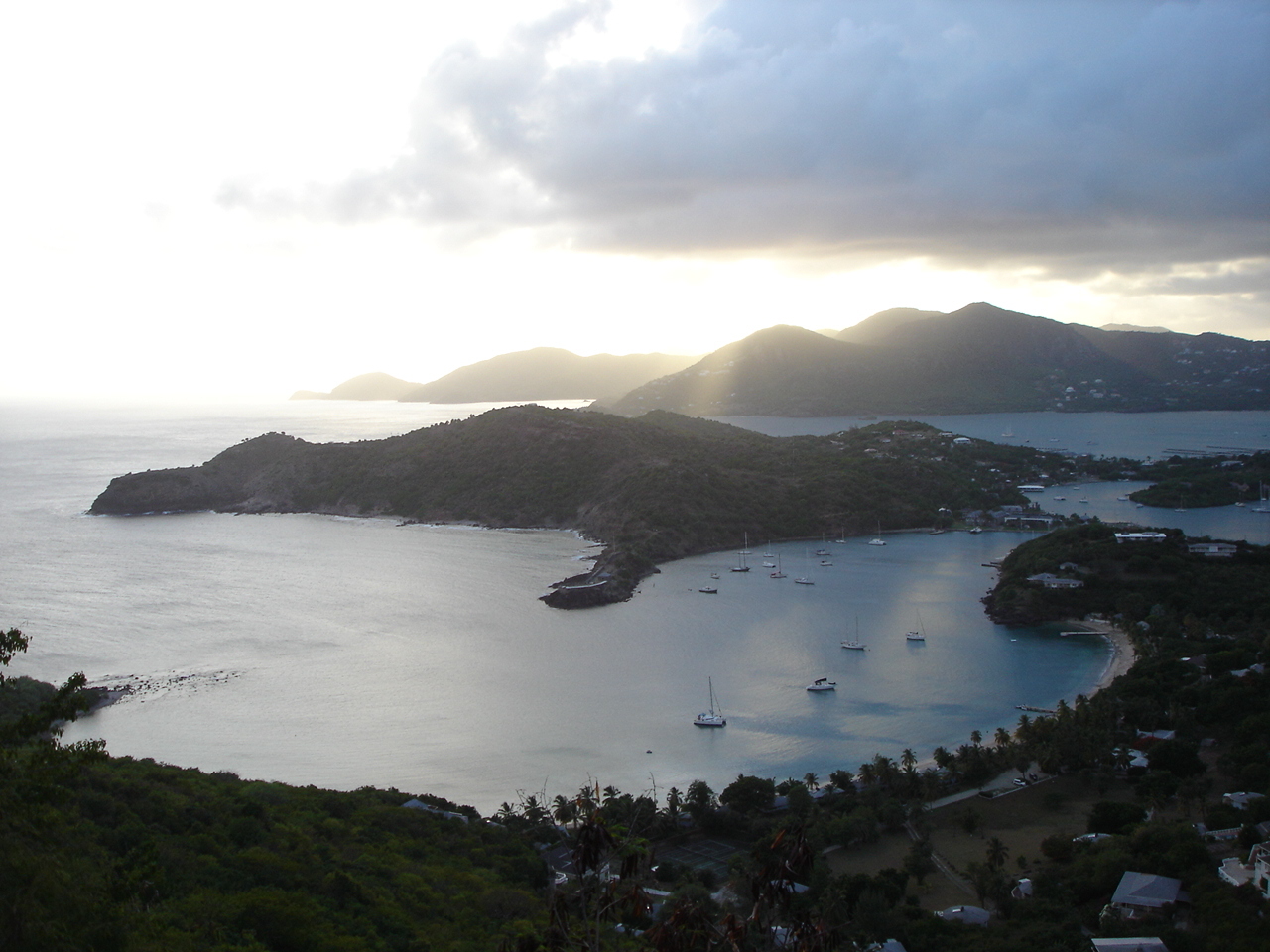
The site consists of a group of Georgian-style naval buildings and structures, set within a walled enclosure. The natural environment of this side of the island of Antigua, with its deep, narrow bays surrounded by highlands, offered shelter from hurricanes and was ideal for repairing ships. The construction of the Dockyard by the British navy would not have been possible without the labour of generations of enslaved Africans since the end of the 18th century. Its aim was to protect the interests of sugar cane planters at a time when European powers were competing for control of the Eastern Caribbean.
UNESCO Justification of the World Heritage Site
Criterion (ii): The Antigua Naval Dockyard and its Related Archaeological Sites exhibit an important exchange of human values over a span of time within the Caribbean and between this region and the rest of the Commonwealth, on developments in architecture, technology and exploitation of natural topographical features for strategic military purposes. The enslaved Africans toiling in the service of the British navy and army built and worked the facilities that were critical to the development of the British Empire, trade and industrialization. The Georgian Period buildings and the archaeological structures and remains stand as testimony to their efforts and continue to influence the architectural, social and economic development of their descendants. The Antigua Naval Dockyard exceptionally shows how British Admiralty building prototypes were adapted to cope with extremes of climate, and the lessons learnt in the Caribbean in erecting such buildings were subsequently successfully applied in other colonies. Among the most prominent witnesses of this interchange, Clarence House demonstrates how English Georgian architecture was modified to suit the hot tropical climate and to counter the threat of disease, and the emergence of a distinctly colonial Caribbean Georgian architecture; and the Officers’ Quarters and the Senior Officer’s House demonstrate how building forms were adapted, by the addition of features such as storm shutters and verandas, to suit the climate of the Caribbean. Few other sites demonstrate this transition from British prototypes to the use of colonial building forms as clearly as the Antigua Naval Dockyard.
Criterion (iv): The ensemble of the Antigua Naval Dockyard and its Related Archaeological Sites were laid down and built exploiting the natural attributes of the area (the deep waters of English Harbour, the series of hills protecting the bay, the jagged contours of the coastline, and the narrow entrance) in a period when European powers were at war to expand their spheres of influence in the Caribbean. Altogether, the property represents an outstanding example of a Georgian naval facility in the Caribbean context. The Antigua Naval Dockyard and its Related Archaeological Sites demonstrate the process of colonization and the global spread of ideas, building forms and technologies by a leading naval power in the 18th century, as well as the exploitation of favourable geo-morphological features for the construction and defence of a strategic compound.
Encyclopedia Record: Antigua Naval Dockyard and Related Archaeological Sites
The Antigua Naval Dockyard and Related Archaeological Sites is a 255 ha UNESCO World Heritage Site in Saint Paul Parish, Antigua, Antigua and Barbuda. It constitutes a collection of Georgian era naval structures, namely a naval dockyard and related supporting compounds. This maritime complex was established during a period marked by intense competition among European nations vying for dominance at sea to secure authority over the profitable sugar-producing islands in the Eastern Caribbean.Additional Site Details
Area: 255 hectares
Number of Components: 1
(iv) — Outstanding example of a type of building or landscape
Coordinates: 17.0069444444 , -61.7616666667
World Heritage Research
Discover scientific research and academic studies that deepen our understanding of Antigua Naval Dockyard and Related Archaeological Sites from its history and significance to its conservation, management, and contemporary challenges.
-
Investigations at the Royal Naval Hospital Cemetery (C. 1763–1834) in English Harbour, Antigua
A two-decade study of the Royal Naval Hospital Cemetery in Antigua reveals that dietary habits, societal pressures, and individual agency influenced food consumption among different groups within a stratified society. Stable isotope analysis demonstrated distinct dietary patterns, while trace element analyses showed variable exposure to lead and mercury, with one notable case of high mercury levels. This research provides deeper insights into health conditions at this 18th-century tropical naval outpost, clarifying historical issues that were previously speculative.
Varney, T. L., Waters, C. K., & Murphy, R. (2025). Investigations at the Royal Naval Hospital Cemetery (C. 1763–1834) in English Harbour, Antigua. Bioarchaeology in the Caribbean, 321–348. https://doi.org/10.4324/9780429444449-17
View Publication Record | Read Publication -
Fugitive Harbour: Labour, Community, and Marronage at Antigua Naval Yard
Historical research reveals that the Antigua Naval Dockyard served as a hub for fugitive activity, where enslaved individuals successfully collaborated to escape slavery aboard Royal Navy warships. This multi-year effort involved 'King’s Negroes' and other Black Antiguans, demonstrating collective resistance against British crown slavery. The study, based on original dockyard records, shipbuilding labor analysis, and built environment examination, sheds new light on petit marronage and naval labor dynamics while highlighting tensions between slavery as a labor system and property. It challenges conventional views by framing fugitive activity as inherently communal.
Snow, H. (2021). Fugitive Harbour: Labour, Community, and Marronage at Antigua Naval Yard. Slavery & Abolition, 42(4), 803–826. https://doi.org/10.1080/0144039x.2021.1910470
View Publication Record | Read Publication