World Heritage Identification Number: 1669
World Heritage since: 2023
Category: Cultural Heritage
WHE Type: Archaeological Sites
Transboundary Heritage: No
Endangered Heritage: No
Country: 🇹🇷 Türkiye
Continent: Asia
UNESCO World Region: Europe and North America
Map
Gordion: A Multi-Layered Ancient Settlement in Central Anatolia
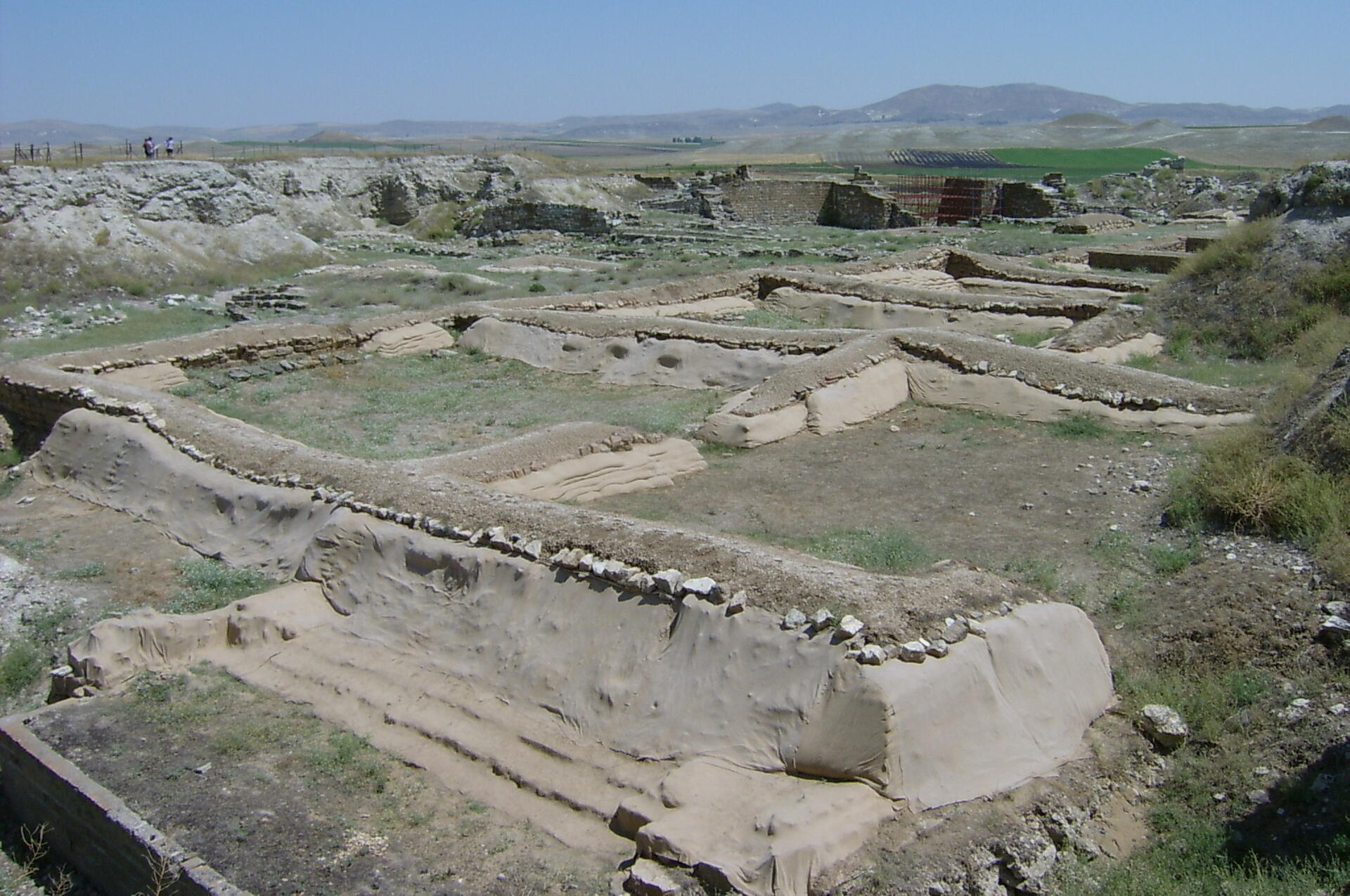
Gordion, inscribed as a UNESCO World Heritage Site in 2023, is an archaeological treasure trove situated in the open rural landscape of central Anatolia, Turkey. This site serves as a testament to the rich history and cultural development of the ancient Phrygian civilization, an Iron Age independent kingdom.
More to come…UNESCO Description of the World Heritage Site
Located in an open rural landscape, the archaeological site of Gordion is a multi-layered ancient settlement, encompassing the remains of the ancient capital of Phrygia, an Iron Age independent kingdom. The key elements of this archaeological site include the Citadel Mound, the Lower Town, the Outer Town and Fortifications, and several burial mounds and tumuli with their surrounding landscape. Archaeological excavations and research have revealed a wealth of remains that document construction techniques, spatial arrangements, defensive structures, and inhumation practices that shed light on Phrygian culture and economy.UNESCO Justification of the World Heritage Site
Criterion (iii): Gordion was the political and cultural centre of ancient Phrygia and today it represents the best surviving testimony to Phrygian civilisation, an Iron Age civilisation which developed in Anatolia and excelled in timber construction, woodcarving and metalwork.
Encyclopedia Record: Gordion
Gordion was the capital city of ancient Phrygia. It was located at the site of modern Yassıhüyük, about 70–80 km (43–50 mi) southwest of Ankara, in the immediate vicinity of Polatlı district. Gordion's location at the confluence of the Sakarya and Porsuk rivers gave it a strategic location with control over fertile land. Gordion lies where the ancient road between Lydia and Assyria/Babylonia crossed the Sangarius river. Occupation at the site is attested from the Early Bronze Age continuously until the 4th century CE and again in the 13th and 14th centuries CE. The Citadel Mound at Gordion is approximately 13.5 hectares in size, and at its height habitation extended beyond this in an area approximately 100 hectares in size. Gordion is the type site of Phrygian civilization, and its well-preserved destruction level of c. 800 BCE is a chronological linchpin in the region. The long tradition of tumuli at the site is an important record of elite monumentality and burial practice during the Iron Age.Additional Site Details
Area: 1,064 hectares
Number of Components: 1
Coordinates: 39.6433333333 , 31.9861111111