World Heritage Identification Number: 1500
World Heritage since: 2016
Category: Cultural Heritage
WHE Type: Archaeological Sites
Transboundary Heritage: No
Endangered Heritage: No
Country: 🇬🇧 United Kingdom of Great Britain and Northern Ireland
Continent: Europe
UNESCO World Region: Europe and North America
Map
Unraveling the Mysteries of the Gorham's Cave Complex: A Window into Neanderthal Life
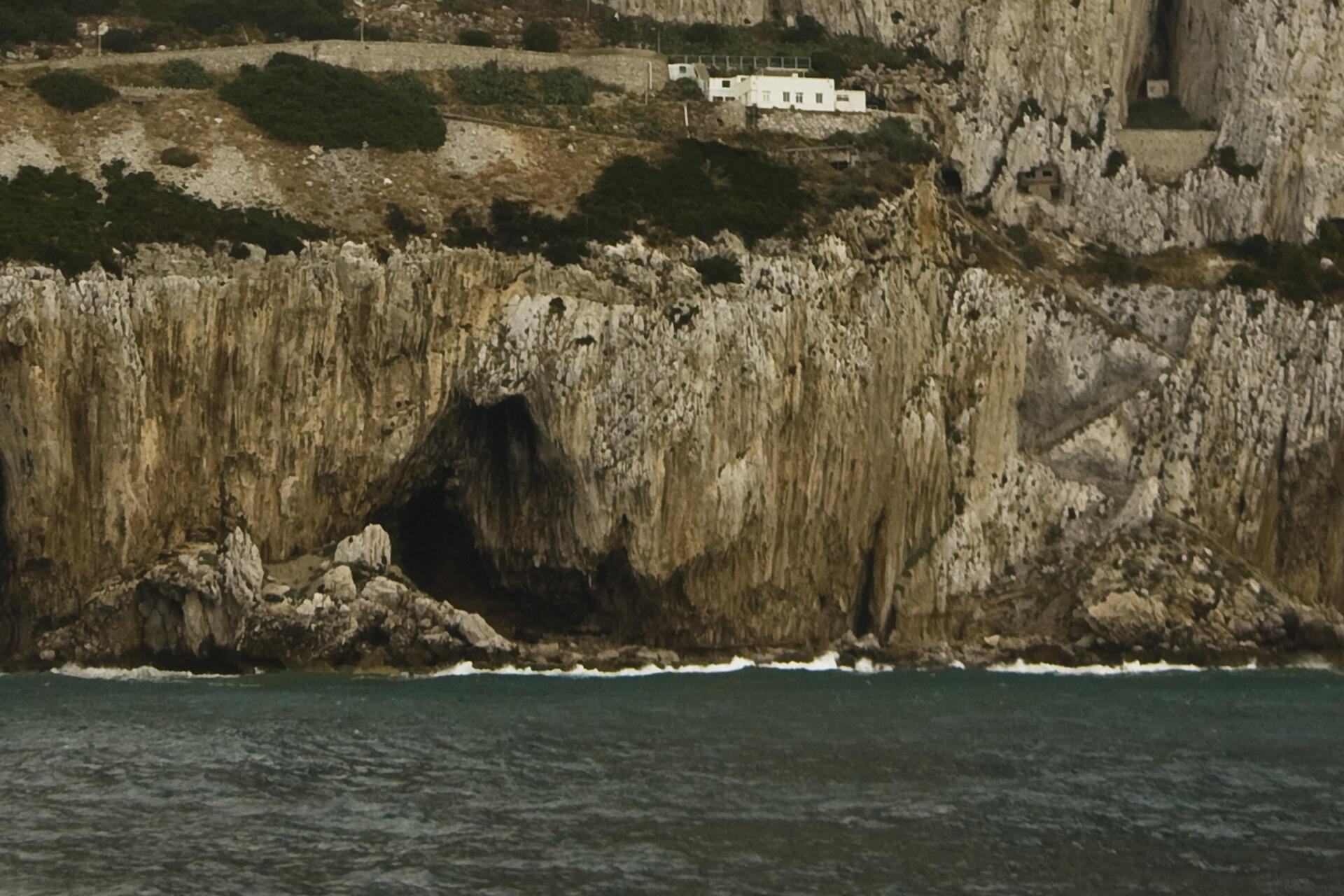
The Gorham's Cave Complex, located on the eastern side of the Rock of Gibraltar, offers a unique glimpse into the lives of our closest extinct relatives, the Neanderthals. Inscribed as a UNESCO World Heritage Site in 2016, this remarkable collection of four caves provides an exceptional record of Neanderthal occupation spanning more than 120,000 years.
Gorham’s Cave, the largest and namesake of the complex, is often mistaken for a sea cave because of its proximity to the shoreline, though it was formed primarily through geological processes unrelated to wave action. It is widely regarded as one of the last known Neanderthal refuges in Europe, with evidence suggesting occupation until approximately 32,000 to 28,000 years ago. Beyond its geographical importance, the cave has yielded an exceptional range of archaeological and palaeontological evidence that has played a central role in debates about Neanderthal behaviour and human evolution.
The Gorham's Cave Complex comprises four distinct caves: Gorham's Cave, Vanguard Cave, Hyaena Cave, and Bennett's Cave. Each cave offers a different perspective on Neanderthal life, providing insights into their diet, toolmaking abilities, artistic expression, and social structures.
In Gorham's Cave alone, researchers have found evidence of Neanderthal habitation dating back through the late Pleistocene. The remains of birds, marine animals, and tools made from bone, flint, and seashells suggest that the Neanderthals were skilled hunters and fishermen who exploited the resources available to them. Notably, the use of bird feathers and claws for ornamentation, alongside the discovery of a geometric rock engraving known as the "hashtag," indicates a level of symbolic expression previously thought to be exclusive to modern humans.
Vanguard Cave, situated immediately above Gorham’s Cave, contains massive archaeological deposits and preserves a long sequence of Neanderthal activity. Recent discoveries, including a hidden chamber found in 2021, highlight repeated occupation and adaptation to changing environmental conditions, further reinforcing the importance of Gibraltar as a long-term Neanderthal stronghold.
Hyaena Cave derives its name from the abundance of fossilised hyena remains and coprolites found within its deposits. The coexistence of carnivore bones and stone tools provides valuable information about the complex ecological relationships between Neanderthals and large predators, reflecting periods of alternating or overlapping use of the landscape, rather than direct evidence of sustained interaction.
Bennett’s Cave, the smallest and least accessible of the four, has produced some of the earliest evidence of Neanderthal presence within the complex, with deposits dating back over 100,000 years. Its restricted access and protected interior have contributed to the exceptional preservation of its archaeological layers.
Taken together, the Gorham's Cave Complex stands as a testament to the cultural traditions of the Neanderthals, shedding light on aspects of their lives that were once shrouded in mystery. The site's scientific research has already provided valuable contributions to ongoing debates about Neanderthal and human evolution, offering a fascinating window into our shared past. Ongoing research continues to refine our understanding of their behaviour, cognition, and relationship to modern humans, forever linking us to the enigmatic Neanderthals who once called the Gorham's Cave Complex home.
UNESCO Description of the World Heritage Site
The steep limestone cliffs on the eastern side of the Rock of Gibraltar contain four caves with archaeological and paleontological deposits that provide evidence of Neanderthal occupation over a span of more than 100,000 years. This exceptional testimony to the cultural traditions of the Neanderthals is seen notably in evidence of the hunting of birds and marine animals for food, the use of feathers for ornamentation and the presence of abstract rock engravings. Scientific research on these sites has already contributed substantially to debates about Neanderthal and human evolution.
UNESCO Justification of the World Heritage Site
Criterion (iii): Gorham's Cave Complex provides an exceptional testimony to the occupation, cultural traditions and material culture of Neanderthal and early modern human populations through a period spanning approximately 120,000 years. This is expressed by the rich archaeological evidence in the caves, the rare rock engravings at Gorham’s Caves (dated to more than 39,000 years ago), rare evidence of Neanderthal exploitation of birds and marine animals for food, and the ability of the deposits to depict the climatic and environmental conditions of the peninsula over this vast span of time. The archaeological and scientific potential of the caves continues to be explored through archaeological research and scientific debates, providing continuing opportunities for understanding Neanderthal life, including their capacity for abstract thinking.
Encyclopedia Record: Gorham's Cave
Gorham's Cave is a sea-level cave in the British overseas territory of Gibraltar. Though not a sea cave, it is often mistaken for one. Considered to be one of the last known habitations of the Neanderthals in Europe, the cave gives its name to the Gorham's Cave complex, which is a combination of four distinct caves of such importance that they are combined into a UNESCO World Heritage Site, the only one in Gibraltar. The three other caves are Vanguard Cave, Hyaena Cave, and Bennett's Cave.Additional Site Details
Area: 28 hectares
Number of Components: 1
Coordinates: 36.1226694444 , -5.3420611111