World Heritage Identification Number: 996
World Heritage since: 2000
Category: Cultural Heritage
WHE Type: Historic Cities & Urban Areas
Transboundary Heritage: No
Endangered Heritage: No
Country: 🇧🇪 Belgium
Continent: Europe
UNESCO World Region: Europe and North America
Map
The Historic Centre of Brugge: A Medieval Gem in Modern Belgium
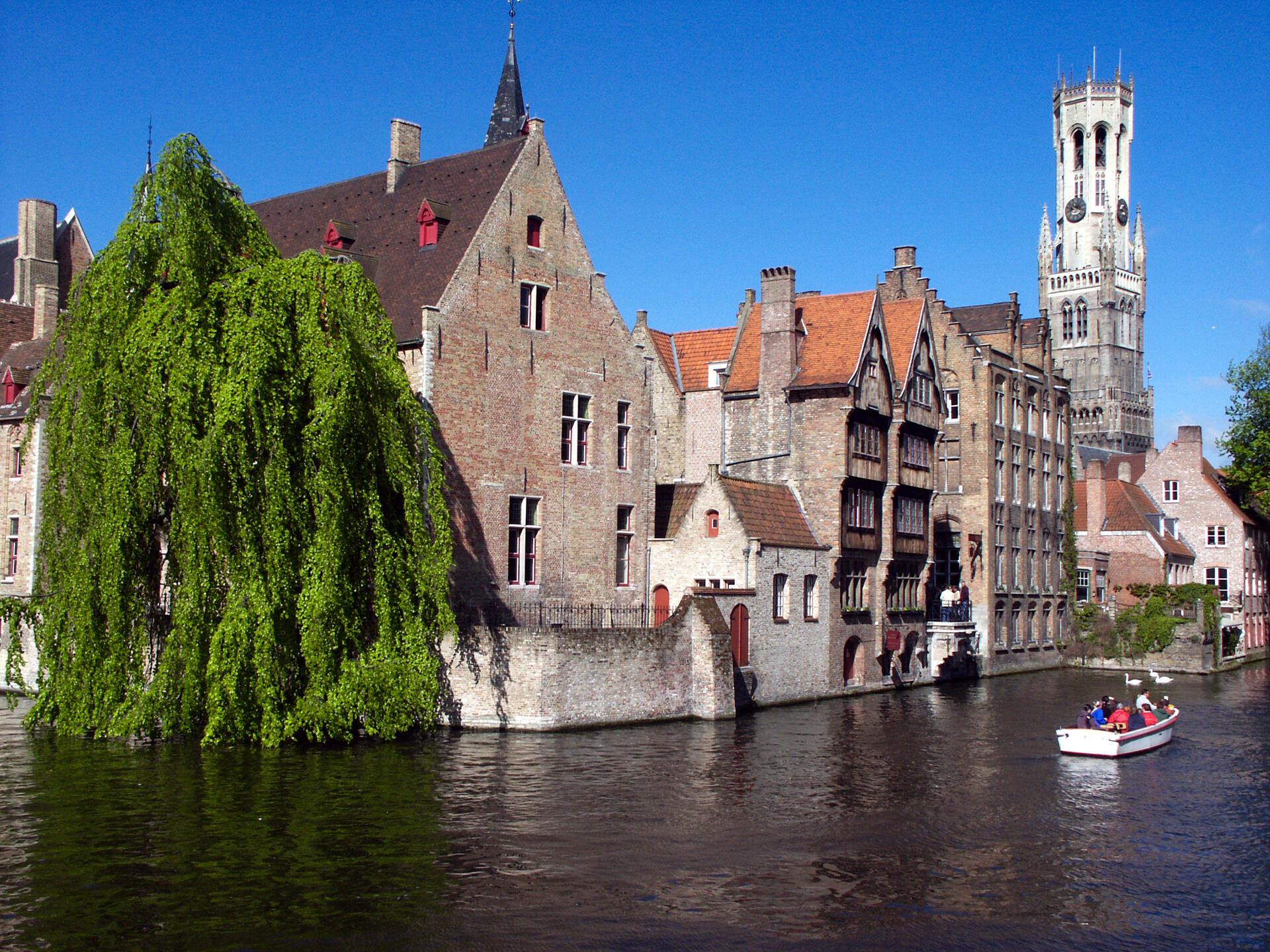
The Historic Centre of Brugge, inscribed as a UNESCO World Heritage Site in 2000, offers a captivating glimpse into the rich history and culture of medieval Europe. Situated in the heart of the West Flanders province in modern-day Belgium, Brugge (often spelled 'Bruges' in English) serves as a testament to the enduring legacy of the Middle Ages.
Founded around the 9th century, Brugge emerged as a significant trading hub along the Zwin inlet, which connected the city to the North Sea and linked it indirectly to major trading routes reaching the Rhine and Meuse regions. This strategic location fostered economic growth and cultural exchange, and during the 13th to 15th centuries, Brugge became one of the commercial and cultural capitals of Europe. When the Zwin inlet began to silt up in the 16th century, Brugge's trade declined, but its well-preserved medieval architecture and street layout remained.
The city's historic centre is characterized by its well-preserved Gothic architecture, which forms a crucial part of Brugge's identity. Notable examples include the Church of Our Lady, housing Michelangelo's Madonna and Child sculpture, and the Belfry of Brugge, a 13th-century bell tower offering panoramic views of the city. Other notable landmarks include the Basilica of the Holy Blood, the Stadhuis (City Hall), and the Begijnhof, a former community for unmarried women.
Brugge was also home to the School of Flemish Primitive painters, a group of artists who made significant contributions to early European art. Jan van Eyck and Hans Memling — two of the leading Flemish Primitives associated with Brugge created masterpieces that continue to inspire and captivate audiences today, while Rogier van der Weyden, another master of the era, also influenced the painting styles of the region.
In addition to its architectural and artistic treasures, Brugge boasts a rich tapestry of traditions and festivals. The annual Procession of the Holy Blood, dating back to the early 14th century, remains one of the city's most iconic events and was recognized by UNESCO as Intangible Cultural Heritage in 2009. The procession features a relic believed to be a drop of Christ's blood, carried through the streets in a golden chalice.
Today, Brugge continues to thrive as a popular tourist destination, attracting visitors from around the world. Its historic centre remains largely intact, providing a unique opportunity to immerse oneself in the atmosphere of a medieval European settlement. Despite its popularity, Brugge retains an authentic charm, making it an essential stop for anyone interested in exploring the rich history and culture of Europe.
UNESCO Description of the World Heritage Site
Brugge is an outstanding example of a medieval historic settlement, which has maintained its historic fabric as this has evolved over the centuries, and where original Gothic constructions form part of the town's identity. As one of the commercial and cultural capitals of Europe, Brugge developed cultural links to different parts of the world. It is closely associated with the school of Flemish Primitive painting.
UNESCO Justification of the World Heritage Site
Criterion (ii): The Historic Centre of Brugge bears testimony to a considerable exchange of influences on the development of architecture, and particularly brick Gothic architecture, over a long period of time. As the birthplace of the school of the Flemish Primitives, it has favoured innovative artistic influences in the development of medieval painting.
Criterion (iv): The Historic Centre of Brugge is an outstanding example of an architectural ensemble. The city’s public, social and religious institutions illustrate significant stages in the history of commerce and culture in medieval Europe
Criterion (vi): The Historic Centre of Brugge was birthplace of the Flemish Primitives and a centre of patronage and development of painting in the Middle Ages with artists such as Jan van Eyck and Hans Memling.
Encyclopedia Record: Bruges
Bruges is the capital and largest city of the province of West Flanders, in the Flemish Region of Belgium. It is in the northwest of the country, and is the sixth most populous city in the country.Additional Site Details
Area: 410 hectares
Number of Components: 1
(iv) — Outstanding example of a type of building or landscape
(vi) — Directly associated with events or living traditions
Coordinates: 51.20891 , 3.22527