World Heritage Identification Number: 318
World Heritage since: 1984
Category: Cultural Heritage
WHE Type: Religious Sites & Sacred Architecture
Transboundary Heritage: No
Endangered Heritage: No
Country: 🇪🇸 Spain
Continent: Europe
UNESCO World Region: Europe and North America
Map
The Monastery and Site of the Escurial, Madrid: A Testament to Spanish Renaissance Architecture
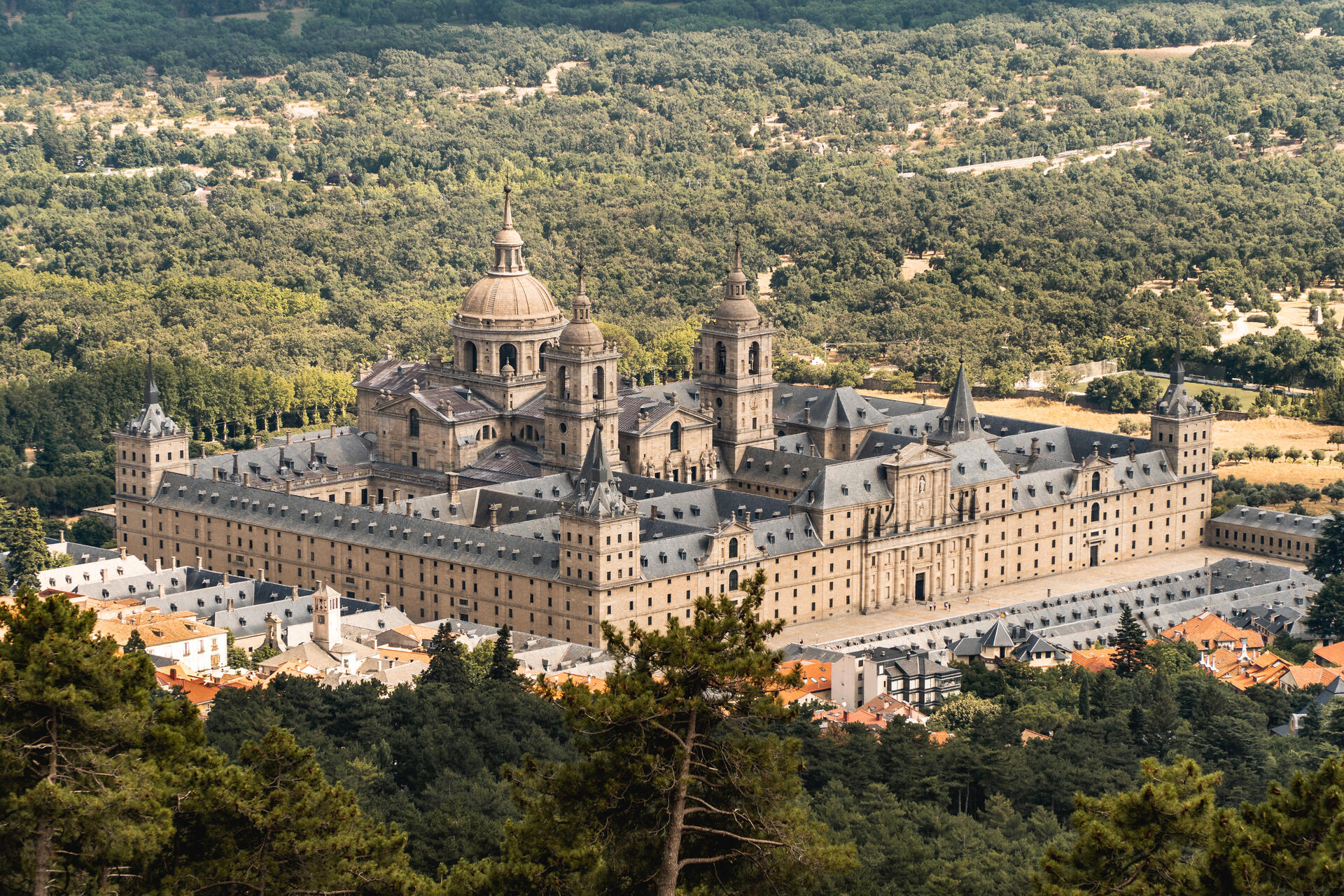
The Monastery and Site of the Escurial, located in the town of San Lorenzo de El Escorial, approximately 45 kilometers northwest of Madrid, is a remarkable testament to the grandeur and artistic prowess of the Spanish Renaissance period. This architectural marvel, built between 1563 and 1584 under the command of King Philip II, is the largest Renaissance structure globally and serves multiple purposes, including a monastery, basilica, royal palace, pantheon, library, museum, university, school, and hospital.
More to come…UNESCO Description of the World Heritage Site
Built at the end of the 16th century on a plan in the form of a grill, the instrument of the martyrdom of St Lawrence, the Escurial Monastery stands in an exceptionally beautiful site in Castile. Its austere architecture, a break with previous styles, had a considerable influence on Spanish architecture for more than half a century. It was the retreat of a mystic king and became, in the last years of Philip II's reign, the centre of the greatest political power of the time.
UNESCO Justification of the World Heritage Site
Criterion (i): The Monastery and Site of the Escurial, Madrid, represents a masterpiece of human creative genius, where the great collective work of important artists were subject to the will and orders of the historic figure of King Philip II.
Criterion (ii): The Monastery and Site of the Escurial expresses an important interchange of human values, and symbolises the ideological and artistic expression that influenced developments in architecture, monumental arts, and landscape design during the Spanish Golden Age. The architectural ensemble is an example of the palace convents and their urban and landscape design built by the European Christian monarchies Its final layout of the 18th century makes it one of the most representative examples of the Real Sitio – the courtiers’ residential town – developed by the monarchy as a seat and reflection of its power.
Criterion (vi): The Monastery and Site of the Escurial, Madrid is directly associated with very important historic personalities in European history and the world, such as the Holy Roman Emperor Charles V and all his descendants from the House of Austria and the House of Bourbon who occupied the Spanish throne, in particular Philip II. It embodied, in an exemplary way, the ideology of the society and the austere pomp and ceremony with which its divine and worldly majesty was represented.
Encyclopedia Record: El Escorial
The Royal Site of San Lorenzo de El Escorial, also called Monasterio de El Escorial or simply El Escorial, is a historical residence of the king of Spain located in the town of San Lorenzo de El Escorial, 2.06 kilometres (1.28 mi) up the valley from the town of El Escorial and about 45 kilometres (28 mi) northwest of the Spanish capital Madrid. Built between 1563 and 1584 by order of King Philip II, El Escorial is the largest Renaissance building in the world. It is one of the Spanish royal sites and functions as a monastery, basilica, royal palace, pantheon, library, museum, university, school, and hospital.Additional Site Details
Area: 94.11 hectares
Number of Components: 2
(ii) — Significant interchange of human values
(vi) — Directly associated with events or living traditions
Coordinates: 40.5891111111 , -4.14775
Image
© Zvonimir Stamenov, CC BY-SA 4.0 Resized from original. (This derivative is under the same CC BY-SA license.)