World Heritage Identification Number: 1412
World Heritage since: 2013
Category: Cultural Heritage
WHE Type: Archaeological Sites
Transboundary Heritage: No
Endangered Heritage: No
Country: 🇨🇦 Canada
Continent: Americas
UNESCO World Region: Europe and North America
Map
Exploring the Red Bay Basque Whaling Station: A Unique Testimony of European Whaling Tradition
The Red Bay Basque Whaling Station, located in Labrador, Canada, stands as a remarkable testament to the early European whaling tradition. Inscribed as a UNESCO World Heritage Site in 2013, this archaeological site offers a unique insight into the Basque mariners' activities during the 16th century.
More to come…UNESCO Description of the World Heritage Site
Red Bay, established by Basque mariners in the 16th century at the north-eastern tip of Canada on the shore of the Strait of Belle Isle is an archaeological site that provides the earliest, most complete and best preserved testimony of the European whaling tradition. Gran Baya, as it was called by those who founded the station in 1530s, was used as a base for coastal hunting, butchering, rendering of whale fat by heading to produce oil and storage. It became a major source of whale oil which was shipped to Europe where it was used for lighting. The site, which was used in the summer months, includes remains of rendering ovens, cooperages, wharves, temporary living quarters and a cemetery, together with underwater remains of vessels and whale bone deposits. The station was used for some 70 years, before the local whale population was depleted.
UNESCO Justification of the World Heritage Site
Criterion (iii): Red Bay Basque Whaling Station is an outstanding example of the tradition of whale hunting established by the Basques in the 16th century for the production of oil which was transported for sale in Europe. In terms of the diversity of its archaeological remains, this is the most extensive, best preserved and most comprehensive whaling station of this type.
Criterion (iv): Red Bay Basque Whaling Station constitutes a fully intelligible ensemble of archaeological elements illustrating the establishment of a proto-industrial process of large-scale production of whale oil, during the 16th century.
Encyclopedia Record: Red Bay, Newfoundland and Labrador
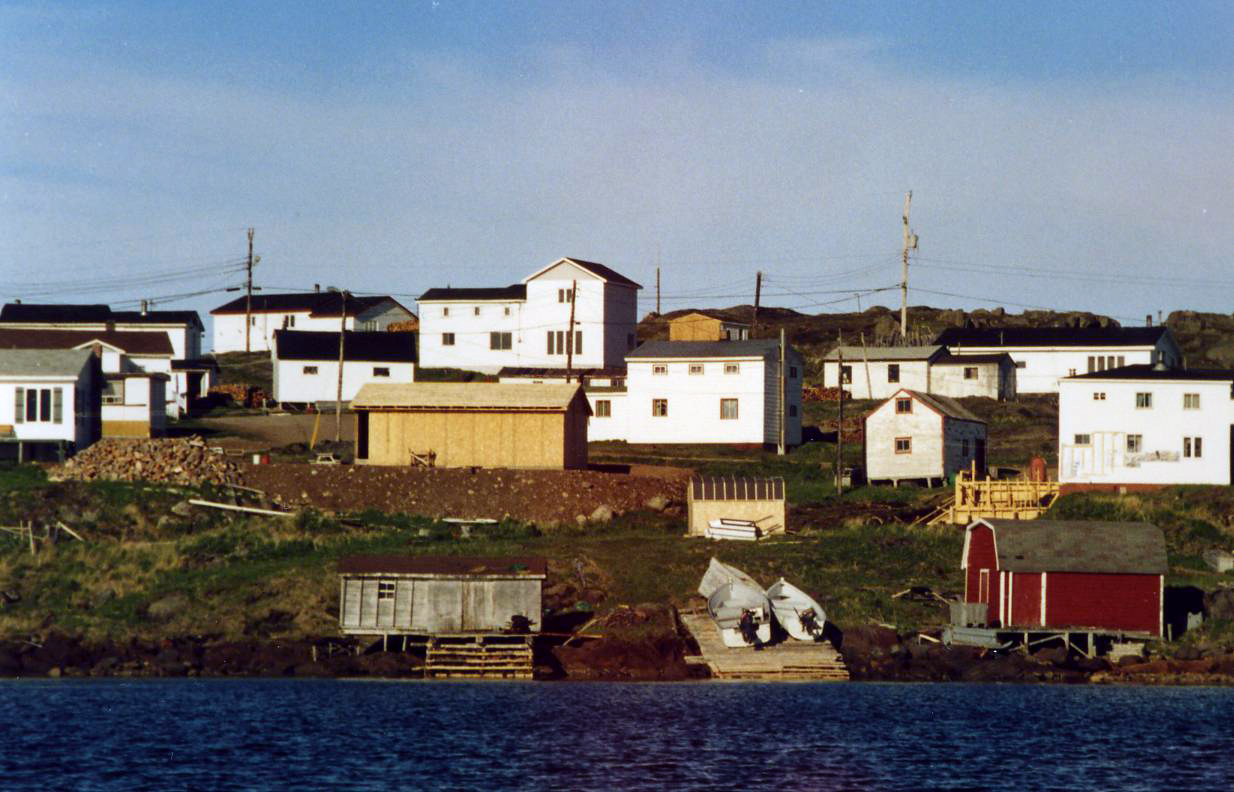
Red Bay is a fishing village in Labrador, notable as a significant underwater archaeological site in the Americas. Between 1530 and the early 17th century, it was a major Basque whaling area. Several whaling ships, both large galleons and small chalupas, sank there, and their discovery led to the designation of Red Bay as a National Historic Site in 1979 and in 2013 as a UNESCO World Heritage Site.Additional Site Details
Area: 312.973 hectares
Number of Components: 1
(iv) — Outstanding example of a type of building or landscape
Coordinates: 51.726925 , -56.4295222222
World Heritage Research
Discover scientific research and academic studies that deepen our understanding of Red Bay Basque Whaling Station from its history and significance to its conservation, management, and contemporary challenges.
-
The Early Modern New Found Land
Historical archaeology has significantly revised traditional narratives of early modern Newfoundland, particularly challenging the notion of colonial failure. Key excavations at Red Bay Basque Whaling Station, L’Anse aux Meadows, and seventeenth-century colonial sites in Cupids and Ferryland have uncovered critical traces of European transatlantic expansion. These findings, alongside research on the French colony of Plaisance and the ethnohistory of the Beothuk people, highlight the complex and multifaceted nature of early modern settlement and migration in the region.
Pope, P. (2017). The Early Modern New Found Land. The Oxford Handbook of Historical Archaeology. https://doi.org/10.1093/oxfordhb/9780199562350.013.40
View Publication Record | Read Publication -
Subsistence Whaling and the Norse Diaspora: Norsemen, Basques, and Whale Use in the Western North Atlantic, CA. AD 900–1640
Between the 16th and early 17th centuries, Basque whalers established a network of whaling stations along the Strait of Belle Isle, with Red Bay as their primary hub. They harvested an estimated 20,000 to 40,000 whales, primarily right and bowhead species, capitalizing on the abundant marine resources brought by the cold Labrador Current. This subsistence whaling venture marked one of North America's earliest large-scale entrepreneurial efforts, blending Norse diaspora influences with Basque maritime traditions. The study reconstructs this historical whaling practice through archaeological evidence and documentary records, revealing its economic significance and ecological impact during a pivotal period in Atlantic history.
Szabo, V. (2012). Subsistence Whaling and the Norse Diaspora: Norsemen, Basques, and Whale Use in the Western North Atlantic, CA. AD 900–1640. Studies in the Medieval Atlantic, 65–99. https://doi.org/10.1057/9781137062390_3
View Publication Record | Read Publication