World Heritage Identification Number: 1634
World Heritage since: 2021
Category: Cultural Heritage
WHE Type: Archaeological Sites
Transboundary Heritage: No
Endangered Heritage: No
Country: 🇨🇱 Chile
Continent: Americas
UNESCO World Region: Latin America and the Caribbean
Map
Unveiling the Mysteries of the Chinchorro Culture: Settlement and Artificial Mummification in Arica and Parinacota Region
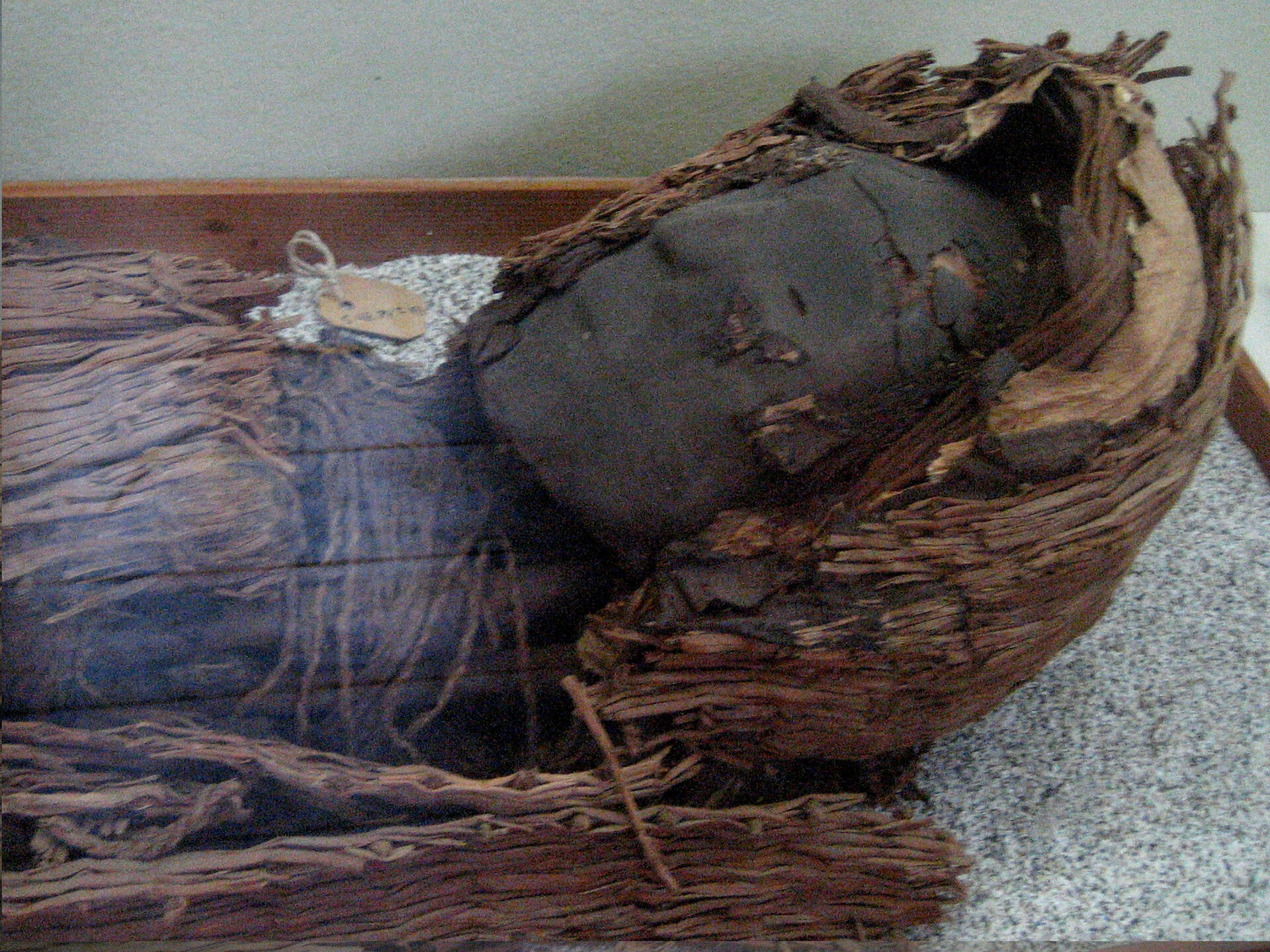
The Settlement and Artificial Mummification of the Chinchorro Culture in the Arica and Parinacota Region, inscribed as a UNESCO World Heritage Site in 2021, offers a captivating glimpse into one of the world's earliest known cultures. This ancient civilization thrived along the harsh, arid northern coast of present-day Chile between approximately 5450 BCE and 890 BCE.
More to come…UNESCO Description of the World Heritage Site
The property consists of three component parts: Faldeo Norte del Morro de Arica, Colón 10, both in the city of Arica, and Desembocadura de Camarones, in a rural environment some 100km further south. Together they bear testimony to a culture of marine hunter-gatherers who resided in the arid and hostile northern coast of the Atacama Desert in northernmost Chile from approximately 5450 BCE to 890 BCE. The property presents the oldest known archaeological evidence of the artificial mummification of bodies with cemeteries that contain both artificially mummified bodies and some that were preserved due to environmental conditions. Over time, the Chinchorro perfected complex mortuary practices, whereby they systematically dismembered and reassembled bodies of deceased men, women and children of the entire social spectrum to create “artificial” mummies. These mummies possess material, sculptural, and aesthetic qualities that are presumed to reflect the fundamental role of the dead in Chinchorro society. Tools made of mineral and plant materials as well as simple instruments made of bone and shells that enabled an intensive exploitation of marine resources, have been found in the property which bears a unique testimony to the complex spirituality of the Chinchorro culture.
Encyclopedia Record: Chinchorro culture
The Chinchorro culture of South America was a preceramic culture that lasted from 9,100 to 3,500 years BP. The people forming the Chinchorro culture were sedentary fishermen inhabiting the Pacific coastal region of current northern Chile and southern Peru. Presence of fresh water in the arid region on the coast facilitated human settlement in this area. The Chinchorro were famous for their detailed mummification and funerary practices. The area of the Chinchorro culture started to receive influences from the Andean Plateau around 4,000 BP, which led to the adoption of agriculture. Much later, it came under the influence of the Tiwanaku Empire.Additional Site Details
Area: Not available
Number of Components: 3
(v) — Outstanding example of traditional human settlement
Coordinates: -18.4819611111 , -70.3215722222