World Heritage Identification Number: 567
World Heritage since: 2000
Category: Cultural Heritage
WHE Type: Archaeological Sites
Transboundary Heritage: No
Endangered Heritage: No
Country: 🇧🇴 Bolivia (Plurinational State of)
Continent: Americas
UNESCO World Region: Latin America and the Caribbean
Map
Tiwanaku: A Preeminent Spiritual and Political Center of the Tiwanaku Culture
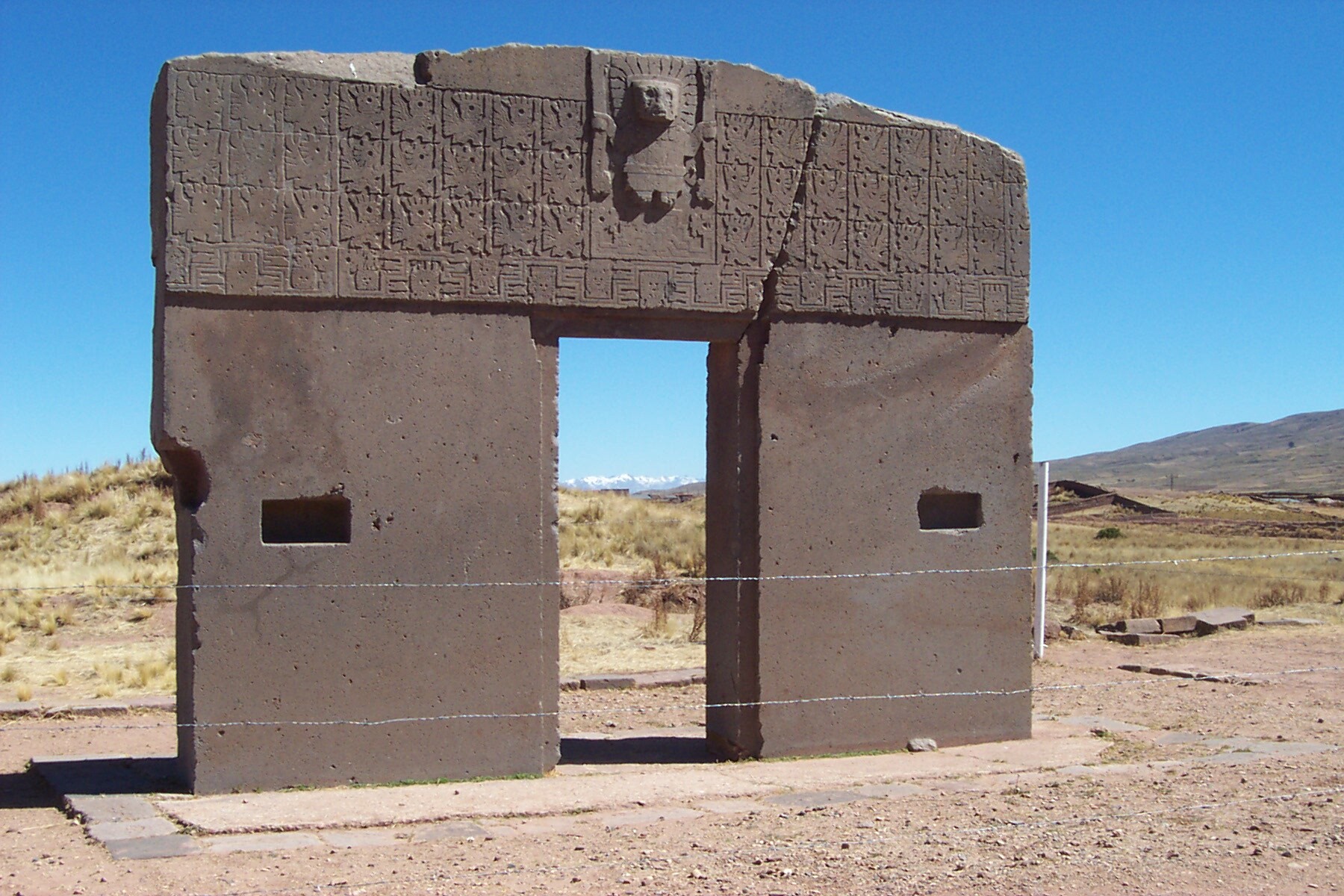
The ancient city of Tiwanaku, nestled in the highlands of western Bolivia, serves as a testament to the grandeur and influence of the eponymous Tiwanaku culture. This Pre-Columbian metropolis, which flourished between the 5th and 11th centuries AD, was once the spiritual and political epicenter of a vast empire that extended far beyond the borders of modern-day Bolivia. Inscribed as a UNESCO World Heritage Site in 2000, Tiwanaku's monumental ruins offer a unique glimpse into the rich cultural heritage of the Andean region.
More to come…UNESCO Description of the World Heritage Site
The city of Tiwanaku, capital of a powerful pre-Hispanic empire that dominated a large area of the southern Andes and beyond, reached its apogee between 500 and 900 AD. Its monumental remains testify to the cultural and political significance of this civilisation, which is distinct from any of the other pre-Hispanic empires of the Americas.
UNESCO Justification of the World Heritage Site
Criterion (iii): The ruins of Tiwanaku bear striking witness to the power of the empire that played a leading role in the development of the Andean prehispanic civilization.
Criterion (iv): The buildings of Tiwanaku are exceptional examples of the ceremonial and public architecture and art of one of the most important manifestations of the civilizations of the Andean region.
Encyclopedia Record: Tiwanaku
Tiwanaku is a Pre-Columbian archaeological site in western Bolivia, near Lake Titicaca, about 70 kilometers from La Paz, and it is one of the largest sites in South America. Surface remains currently cover around 4 square kilometers and include decorated ceramics, monumental structures, and megalithic blocks. It has been conservatively estimated that the site was inhabited by 10,000 to 20,000 people in AD 800.Additional Site Details
Area: 71.5 hectares
Number of Components: 1
(iv) — Outstanding example of a type of building or landscape
Coordinates: -16.555003 , -68.673278