World Heritage Identification Number: 1130
World Heritage since: 2003
Category: Cultural Heritage
WHE Type: Archaeological Sites
Transboundary Heritage: No
Endangered Heritage: Yes
Country: 🇮🇶 Iraq
Continent: Asia
UNESCO World Region: Arab States
Map
Ancient City of Ashur (Qal'at Sherqat): A Historical and Cultural Gem in Northern Mesopotamia
The ancient city of Ashur, officially recognized as Qal'at Sherqat, stands as a testament to the rich history and cultural significance of Mesopotamia. Located on the banks of the Tigris River in northern Mesopotamia, this city-state has been inhabited since the 3rd millennium BC, making it one of the oldest continuously inhabited cities in the world.
More to come…UNESCO Description of the World Heritage Site
The ancient city of Ashur is located on the Tigris River in northern Mesopotamia in a specific geo-ecological zone, at the borderline between rain-fed and irrigation agriculture. The city dates back to the 3rd millennium BC. From the 14th to the 9th centuries BC it was the first capital of the Assyrian Empire, a city-state and trading platform of international importance. It also served as the religious capital of the Assyrians, associated with the god Ashur. The city was destroyed by the Babylonians, but revived during the Parthian period in the 1st and 2nd centuries AD.
UNESCO Justification of the World Heritage Site
Criterion (iii): Ashur, founded in the 3rd millennium BC, is an exceptional testimony to succeeding civilizations from the Sumerian period in the 3rd millennium BC to the Assyrian empire from the 14th to 9th centuries, and, later, the Parthian revival in the 2nd century BC. Its most important role was from the 14th to 9th century BC when it was the first capital of the Assyrian empire, the religious capital of Assyrians, and the place for crowning and burial of its kings.
Criterion (iv): The excavated remains of the public and residential buildings of Ashur provide an outstanding record of the evolution of building practice from the Sumerian and Akkadian period through the Assyrian empire, as well as including the short revival during the Parthian period.
Encyclopedia Record: Assur
Aššur, also known as Ashur and Qal'at Sherqat, was the capital of the Old Assyrian city-state, the Middle Assyrian Empire, and for a time, of the Neo-Assyrian Empire. The remains of the city lie on the western bank of the Tigris River, north of the confluence with its tributary, the Little Zab, in what is now Iraq, more precisely in the al-Shirqat District of the Saladin Governorate.Additional Site Details
Area: 70 hectares
Number of Components: 1
(iv) — Outstanding example of a type of building or landscape
Coordinates: 35.4566666667 , 43.2611111111
Image
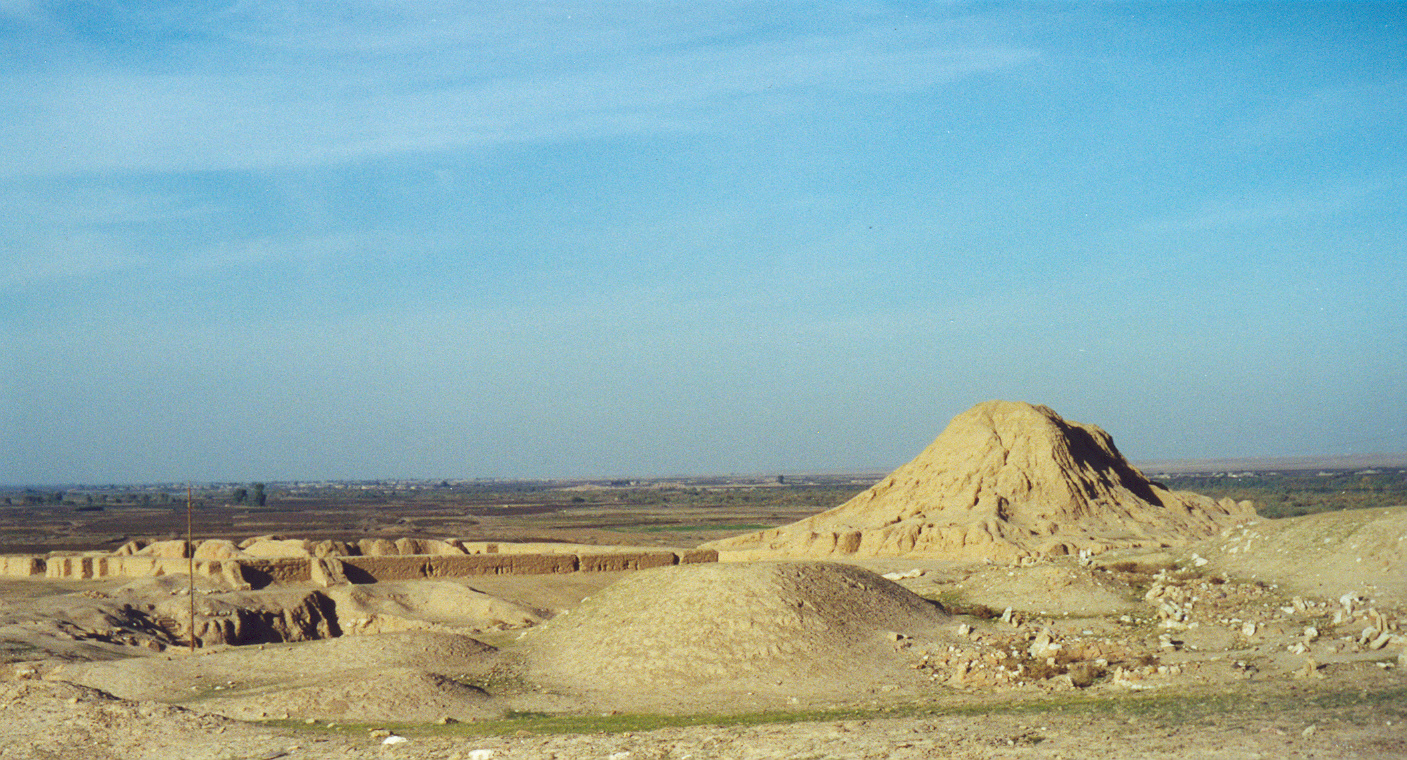
© Véronique Dauge, CC BY-SA 3.0 igo Resized from original. (This derivative is under the same CC BY-SA license.)