World Heritage Identification Number: 842
World Heritage since: 1998
Category: Cultural Heritage
WHE Type: Archaeological Sites
Transboundary Heritage: No
Endangered Heritage: No
Country: 🇮🇹 Italy
Continent: Europe
UNESCO World Region: Europe and North America
Map
Exploring the Rich Cultural Landscape of Cilento and Vallo di Diano National Park
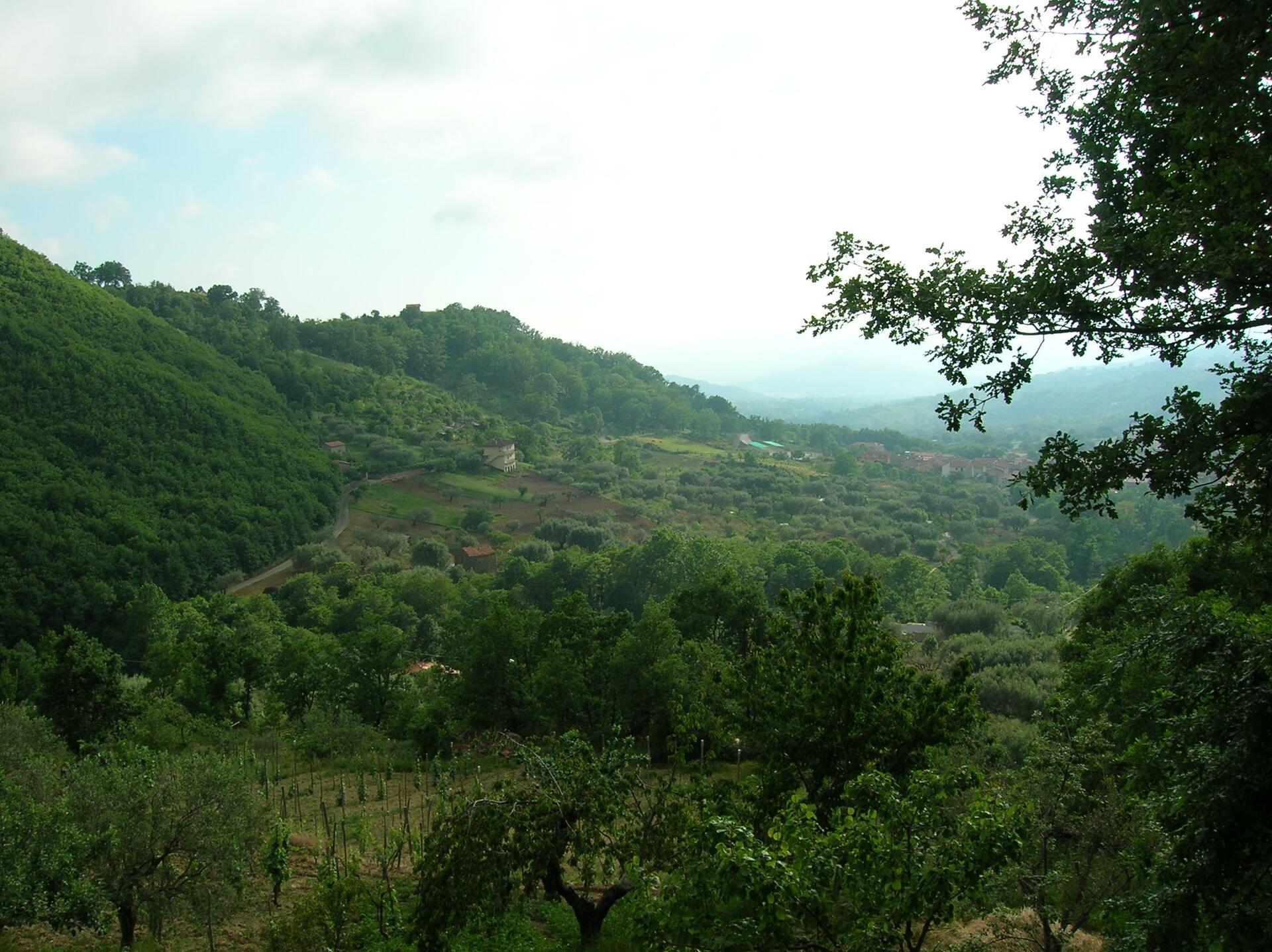
The Cilento and Vallo di Diano National Park, located in the Province of Salerno, Campania, Italy, is a testament to the region's rich history and cultural evolution. Inscribed as a UNESCO World Heritage Site in 1998, this national park offers a unique blend of natural beauty and archaeological wonders that attract visitors from around the world.
More to come…UNESCO Description of the World Heritage Site
The Cilento is an outstanding cultural landscape. The dramatic groups of sanctuaries and settlements along its three east–west mountain ridges vividly portray the area's historical evolution: it was a major route not only for trade, but also for cultural and political interaction during the prehistoric and medieval periods. The Cilento was also the boundary between the Greek colonies of Magna Graecia and the indigenous Etruscan and Lucanian peoples. The remains of two major cities from classical times, Paestum and Velia, are found there.
UNESCO Justification of the World Heritage Site
Criterion (iii): During the prehistoric period, and again in the Middle Ages, the Cilento region served as a key route for cultural, political, and commercial communications in an exceptional manner, utilizing the crests of the mountain chains running east-west and thereby creating a cultural landscape of outstanding significance and quality.
Criterion (iv): In two key episodes in the development of human societies in the Mediterranean region, the Cilento area provided the only viable means of communication between the Adriatic and the Tyrrhenian seas in the central Mediterranean region, and this is vividly illustrated by the cultural landscape of today.
Encyclopedia Record: Parco Nazionale del Cilento, Vallo di Diano e Alburni
Cilento, Vallo di Diano and Alburni National Park is an Italian national park in the Province of Salerno, in Campania in southern Italy. It includes much of the Cilento, the Vallo di Diano and the Monti Alburni. It was founded in 1991 and was formerly known as the Parco Nazionale del Cilento e Vallo di Diano.Additional Site Details
Area: 159,109.7 hectares
Number of Components: 3
(iv) — Outstanding example of a type of building or landscape
Coordinates: 40.28333333 , 15.26666667
Image
No machine-readable author provided. Tramsvik~commonswiki assumed (based on copyright claims)., Public domain