World Heritage Identification Number: 535
World Heritage since: 1994
Category: Cultural Heritage
WHE Type: Buildings & Architectural Ensembles
Transboundary Heritage: No
Endangered Heritage: No
Country: 🇩🇪 Germany
Continent: Europe
UNESCO World Region: Europe and North America
Map
The Collegiate Church, Castle, and Old Town of Quedlinburg: A Medieval Gem in the Heart of Germany
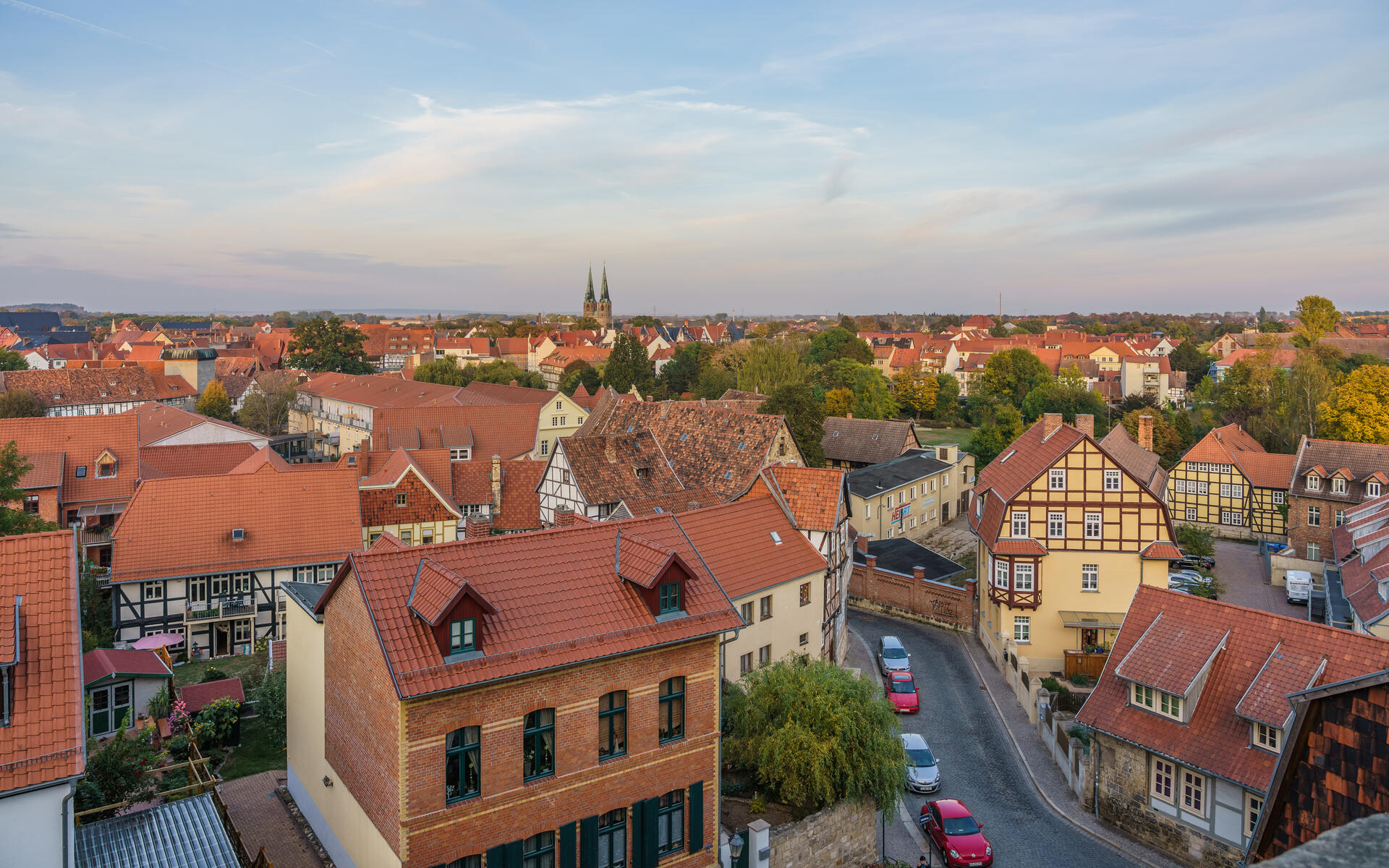
The Collegiate Church, Castle, and Old Town of Quedlinburg, located in the district of Harz in the western part of Saxony-Anhalt, Germany, is a remarkable testament to the rich history and architectural prowess of medieval Europe. Inscribed as a UNESCO World Heritage Site in 1994, this historic town offers a unique glimpse into the past, showcasing the enduring legacy of the Ottonian dynasty and the prosperity of a trading center during the early Middle Ages.
More to come…UNESCO Description of the World Heritage Site
Quedlinburg, in the Land of Sachsen-Anhalt, was a capital of the East Franconian German Empire at the time of the Saxonian-Ottonian ruling dynasty. It has been a prosperous trading town since the Middle Ages. The number and high quality of the timber-framed buildings make Quedlinburg an exceptional example of a medieval European town. The Collegiate Church of St Servatius is one of the masterpieces of Romanesque architecture.
UNESCO Justification of the World Heritage Site
Criterion (iv): Quedlinburg is an outstanding example of a European town with medieval foundations, which has preserved a high proportion of timber-framed buildings of exceptional quality.
Encyclopedia Record: Quedlinburg
Quedlinburg is a town situated just north of the Harz mountains, in the district of Harz in the west of Saxony-Anhalt, Germany. As an influential and prosperous trading centre during the early Middle Ages, Quedlinburg became a center of influence under the Ottonian dynasty in the 10th and 11th centuries. The castle, church and old town with around 2,100 timber houses, dating from this time of influence, were added to the UNESCO World Heritage List in 1994 because of their exceptional preservation and outstanding Romanesque architecture.Additional Site Details
Area: 90 hectares
Number of Components: 2
Coordinates: 51.78333 , 11.15