World Heritage Identification Number: 658
World Heritage since: 1993
Category: Cultural Heritage
WHE Type: Infrastructure & Industry
Transboundary Heritage: No
Endangered Heritage: Yes
Country: 🇻🇪 Venezuela (Bolivarian Republic of)
Continent: Americas
UNESCO World Region: Latin America and the Caribbean
Map
A Glimpse into the Rich History of Coro and its Port, Venezuela's First UNESCO World Heritage Site
The coastal town of Coro and its Port, La Vela de Coro, nestled in the northwestern Falcón state of Venezuela, offers a captivating journey through time. Established in 1527, this historic city, the first colonial settlement in the country, was inscribed as a UNESCO World Heritage Site in 1993, marking a significant milestone in Venezuela’s cultural heritage preservation.
More to come…UNESCO Description of the World Heritage Site
With its earthen constructions unique to the Caribbean, Coro is the only surviving example of a rich fusion of local traditions with Spanish Mudéjar and Dutch architectural techniques. One of the first colonial towns (founded in 1527), it has some 602 historic buildings.
UNESCO Justification of the World Heritage Site
Criterion (iv) Unlike other cities on the Caribbean Coast, the buildings of Coro and its Port are constructed with earthen architecture and domestic buildings show unique examples of traditional mud building techniques including bahareque (a system using mud, timber and bamboo), adobe and tapia (rammed earth). These are building techniques that are still in use today that have been modified and adapted to social, climatic and environmental conditions as well as to local materials, resulting in a unique example of earthen architecture.
Criterion (v) Coro is an outstanding example of a historic town, dating from the earliest years of Spanish colonization on the Caribbean coast of South America, which has conserved its original layout and early urban landscape to a remarkable degree. The urban value of Coro is represented by a building style derived from a colonising process where strong Spanish and Mudéjar building and architectural character and an indigenous building tradition converged. Afterwards, from the second half of the 17th century, this style was influenced by a Dutch architectural pattern introduced through the neighbouring islands of Curaçao and Aruba.
Encyclopedia Record: Coro and its Port
Founded in 1527 and located in the northwestern Falcón state of Venezuela, the city of Coro and its Port, La Vela de Coro in the Caribbean Sea, was added to the list of UNESCO World Heritage sites in 1993, the first for its country.Additional Site Details
Area: 18.4 hectares
Number of Components: 2
(v) — Outstanding example of traditional human settlement
Coordinates: 11.409794 , -69.679228
Image
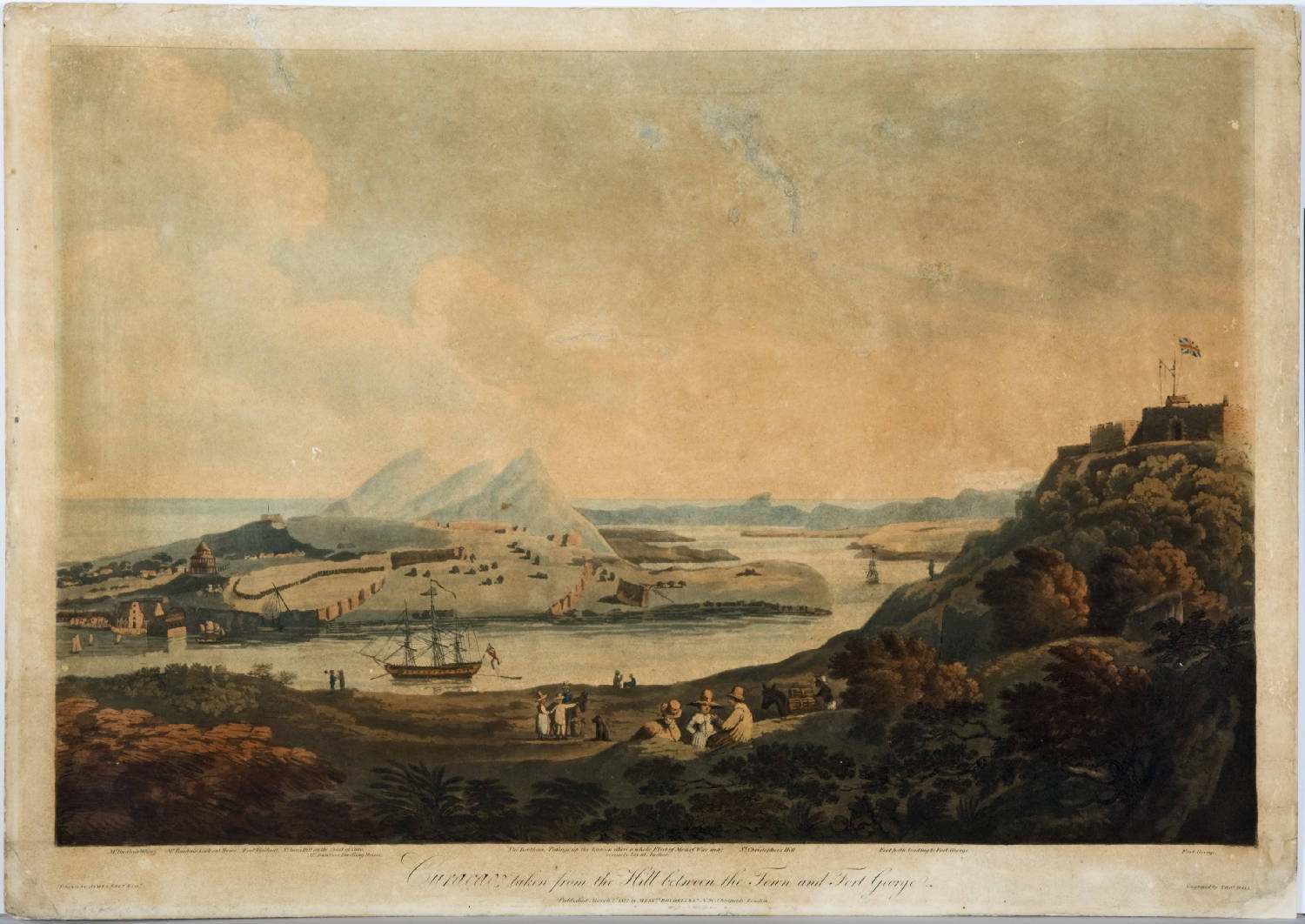
©
World Heritage Research
Discover scientific research and academic studies that deepen our understanding of Coro and its Port from its history and significance to its conservation, management, and contemporary challenges.
-
Revolution and Politics in Venezuela and Curaçao, 1795-1800
A dense, mutually beneficial trade relationship between Venezuela and Curaçao flourished during the late 18th century, particularly from 1795 to 1800. This symbiotic economic bond, facilitated by Curaçao's status as a free port since 1674, was so significant that it sometimes surpassed Venezuela's ties with Spain in importance. The study reveals that Venezuelan products, especially from Coro, were staple exports via Curaçaoan traders who dominated Caribbean trade routes. Additionally, the research highlights the human dimension of this relationship, noting that enslaved individuals fleeing Curaçao frequently found refuge in Coro, suggesting a complex interplay of commerce and social dynamics during this period.
Aizpurua, R. (2014). Revolution and Politics in Venezuela and Curaçao, 1795-1800. Curaçao in the Age of Revolutions, 1795-1800, 97–122. https://doi.org/10.1163/9789004253582_006
View Publication Record | Read Publication