World Heritage Identification Number: 1578
World Heritage since: 2019
Category: Cultural Heritage
WHE Type: Cultural Landscapes
Transboundary Heritage: No
Endangered Heritage: No
Country: 🇪🇸 Spain
Continent: Europe
UNESCO World Region: Europe and North America
Map
Exploring the Risco Caido and the Sacred Mountains of Gran Canaria Cultural Landscape: A Unique UNESCO World Heritage Site
The Risco Caido and the Sacred Mountains of Gran Canaria Cultural Landscape, located in the heart of the largest island in the Canary archipelago, offers a captivating glimpse into the rich history and cultural heritage of this unique region. In July 2019, this remarkable landscape was officially recognized as a UNESCO World Heritage Site, joining an esteemed list of globally significant sites that reflect outstanding universal value.
More to come…UNESCO Description of the World Heritage Site
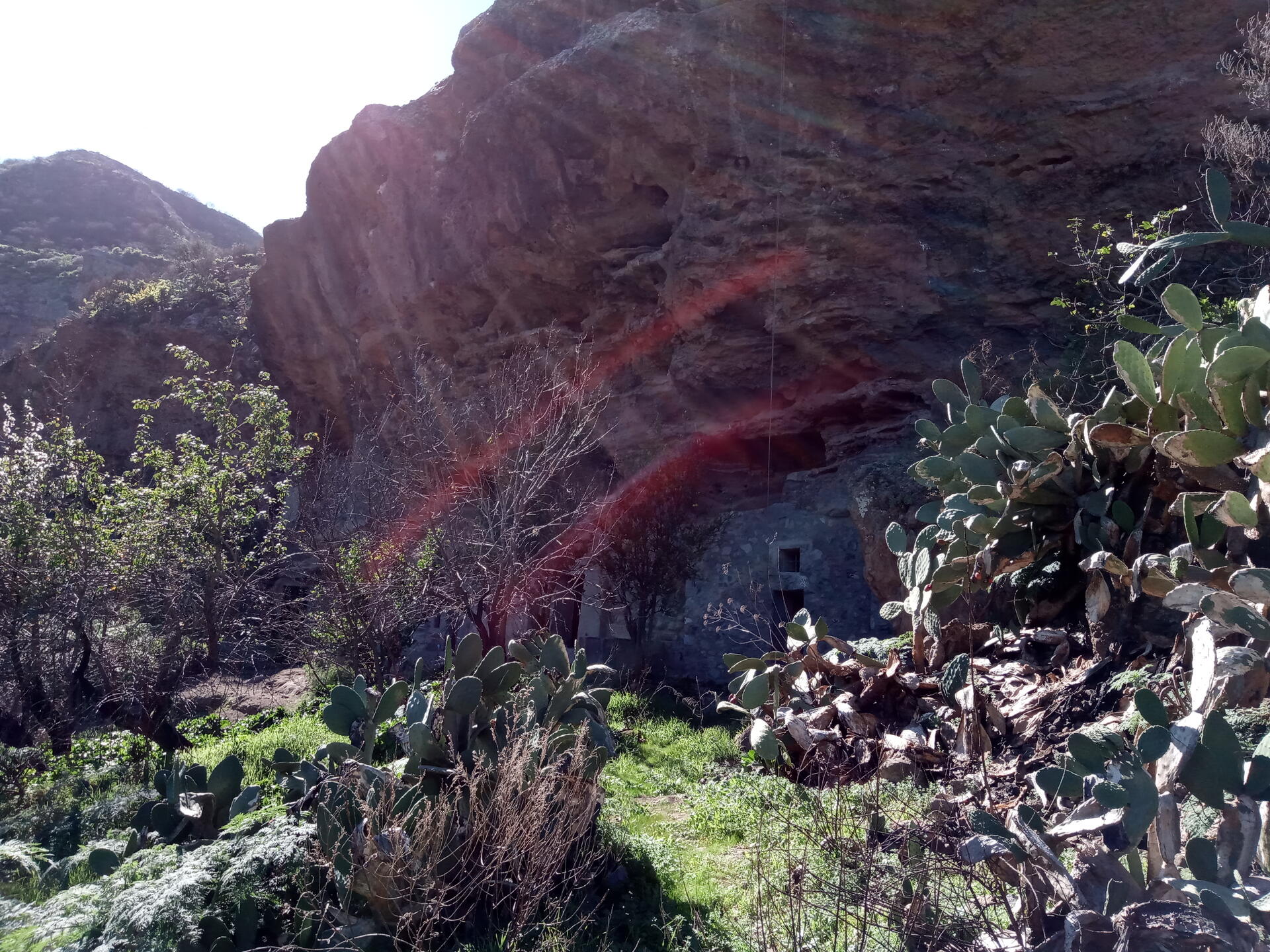
Located in a vast mountainous area in the centre of Gran Canaria, Risco Caído comprises cliffs, ravines and volcanic formations in a landscape of rich biodiversity. The landscape includes a large number of troglodyte settlements — habitats, granaries and cisterns — whose age is proof of the presence of a pre-Hispanic culture on the island, which has evolved in isolation, from the arrival of North African Berbers, around the beginning of our era, until the first Spanish settlers in the 15th century. The troglodyte complex also includes cult cavities and two sacred temples, or almogarenes — Risco Caído and Roque Bentayga — where seasonal ceremonies were held. These temples are thought to be linked to a possible cult of the stars and Mother Earth.
UNESCO Justification of the World Heritage Site
Criterion (iii): All the archaeological sites and rock art manifestations of the Risco Caido and the Sacred Mountains of Gran Canaria Cultural Landscape bear unique and exceptional testimony to an extinct insular culture that seems to have evolved in isolation for more than 1500 years. The archaeological and historic testimony of the property bear out the fact that this culture stems from the original populations from the Berber Maghreb, which is in itself exceptional, as this is a unique case of an insular culture whose origins go back to the Amazigh world.
Criterion (v): The troglodyte sites of the Caldera de Tejeda are a unique example of this type of habitat in ancient insular cultures, illustrating a complex level of organisation of space and of adaptive management of resources. The spatial distribution and the sites documented enable a detailed understanding of the ways in which the ancient Canarians made use of the territory. This is an exceptional case, in which traditional land use practices that are highly adaptive and original, stemming from a culture that has disappeared, are still in use today.
Encyclopedia Record: Risco Caído
Risco Caído is a land-form and archaeological site on the island of Gran Canaria, Spain. The site contains prehistoric cave dwellings, temples, and granaries attributed to the pre-Hispanic culture of the Canary Islands. It is also considered to have been used as an astronomical observatory by Aboriginal people. In July 2019, Risco Caído was named as a UNESCO World Heritage Site. It is also a UNESCO recognised Cultural Landscape. It is the first World Heritage Site of the island of Gran Canaria and the province of Las Palmas and the fourth of the Canary Islands.Additional Site Details
Area: 9,425 hectares
Number of Components: 1
(v) — Outstanding example of traditional human settlement
Coordinates: 28.0443888889 , -15.6611944444