World Heritage Identification Number: 1719
World Heritage since: 2026
Category: Mixed Cultural Heritage and Natural Heritage
WHE Type: Cultural Landscapes
Transboundary Heritage: No
Endangered Heritage: No
Country: 🇬🇷 Greece
Continent: Europe
UNESCO World Region: Europe and North America
Map
Exploring the Wider Area of Mount Olympus: A Unique Blend of Mythology, Biodiversity, and Geological Phenomena
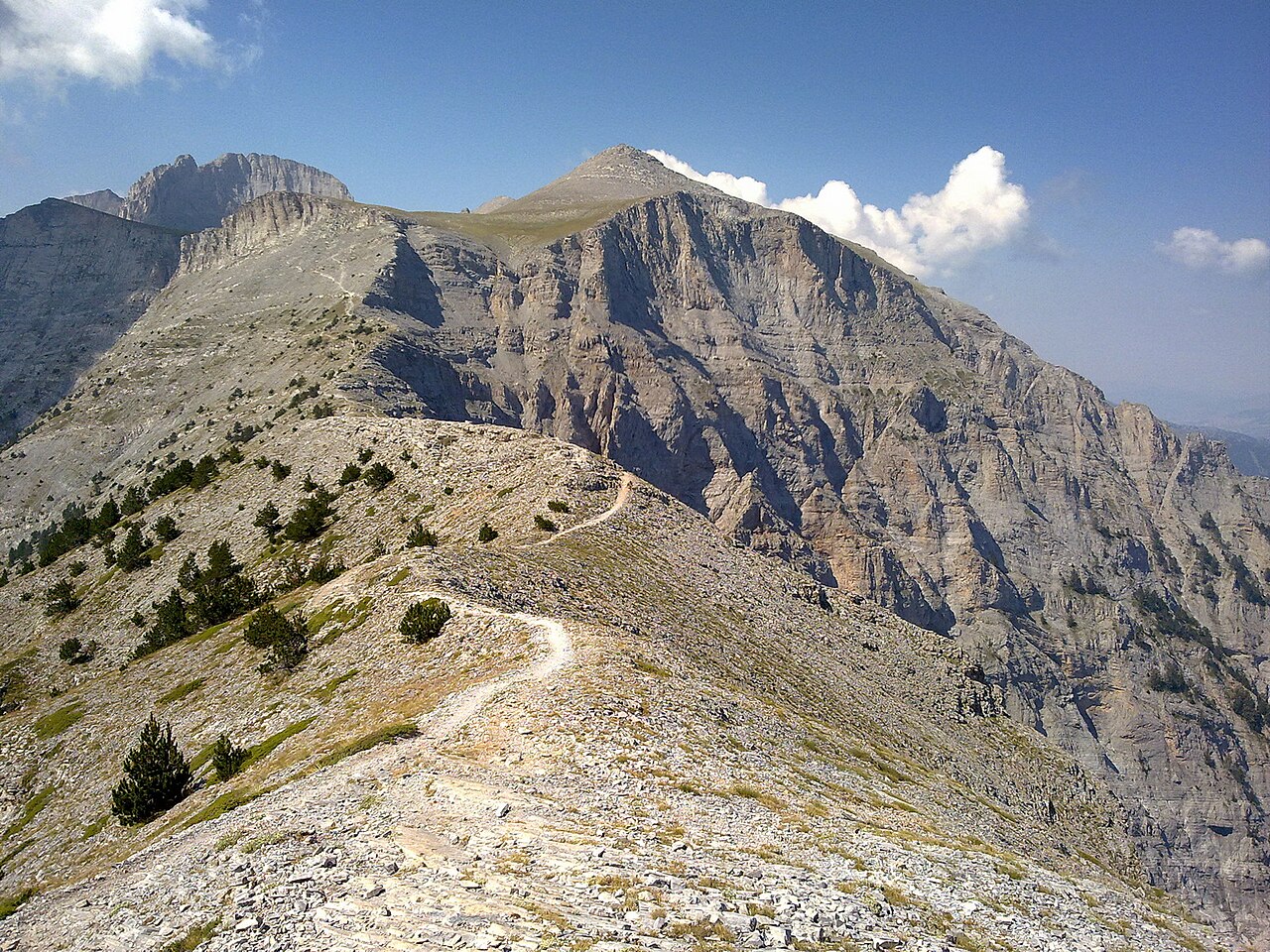
Mount Olympus, located in northern Greece, is not only the highest mountain in the country but also a significant cultural and natural heritage site. The wider area of Mount Olympus, encompassing approximately 1,300 square kilometers, offers a unique blend of geological phenomena, diverse ecosystems, and rich historical significance that make it a must-visit destination for nature enthusiasts, historians, and mythology buffs alike.
More to come…UNESCO Description of the World Heritage Site
Mount Olympus is situated in northern Greece and is the highest mountain in the country. Its microclimate, resulting from its proximity to the sea and abrupt elevation, produces a remarkable diversity in terrain, climate, and vegetation. In this landscape, the ancient Greeks situated the abode of their Twelve Olympian Gods, with Zeus as their sovereign, as well as the Muses and Graces. Through the writings of Hesiod and Homer, Mount Olympus became a central point of reference for Greek mythology throughout the Greek and Roman worlds, rendering Mount Olympus an enduring emblem of Greek civilisation. The property features striking landforms, including glacial cirques, limestone cliffs, karstic sinkholes, and olistolith fields, while sharp ridges like the Mytikas-Stefani complex and deep gorges such as the Enipeas illustrate ongoing neotectonic activity. Mount Olympus has served as a glacial refugium for forest species and is also a Mediterranean plant biodiversity and endemism hotspot.Encyclopedia Record: Mount Olympus
Mount Olympus is an extensive massif near the Thermaic Gulf of the Aegean Sea, in Greece, located on the border between Thessaly and Macedonia, between the regional units of Larissa and Pieria, about 80 km (50 mi) southwest from Thessaloniki. Mount Olympus has 52 peaks and deep gorges. The highest peak, Mytikas, meaning "nose", rises to 2,917.727 metres (9,572.60 ft) and is the highest peak in Greece, and one of the highest peaks in Europe in terms of topographic prominence.Additional Site Details
Area: 18,938 hectares
Number of Components: 2
(x) — Contains most important habitats for biodiversity
Coordinates: 40.099916 , 22.390969