
Tropical Rainforest Heritage of Sumatra


World Heritage Identification Number: 1167

World Heritage since: 2004

Category: Natural Heritage

WHE Type: Natural Landscapes & Geographic Features

Transboundary Heritage: No

Endangered Heritage: Yes

Country: 🇮🇩 Indonesia

Continent: Asia

UNESCO World Region: Asia and the Pacific

Map

Tropical Rainforest Heritage of Sumatra: A Unique Biological Treasure Trove

The Tropical Rainforest Heritage of Sumatra, inscribed as a UNESCO World Heritage Site in 2004, stands as a testament to the rich biodiversity and unique ecosystems that thrive within its expansive boundaries. Spanning over 2.5 million hectares across three Indonesian national parks – Gunung Leuser National Park, Kerinci Seblat National Park, and Bukit Barisan Selatan National Park – this site offers a sanctuary for an extraordinary array of flora and fauna, many of which are endemic to the island of Sumatra.

More to come…

UNESCO Description of the World Heritage Site

The 2.5 million hectare Tropical Rainforest Heritage of Sumatra site comprises three national parks: Gunung Leuser National Park, Kerinci Seblat National Park and Bukit Barisan Selatan National Park. The site holds the greatest potential for long-term conservation of the distinctive and diverse biota of Sumatra, including many endangered species. The protected area is home to an estimated 10,000 plant species, including 17 endemic genera; more than 200 mammal species; and some 580 bird species of which 465 are resident and 21 are endemic. Of the mammal species, 22 are Asian, not found elsewhere in the archipelago and 15 are confined to the Indonesian region, including the endemic Sumatran orang-utan. The site also provides biogeographic evidence of the evolution of the island.

UNESCO Justification of the World Heritage Site

Criterion (vii): The parks that comprise the Tropical Rainforest Heritage of Sumatra are all located on the prominent main spine of the Bukit Barisan Mountains, known as the ‘Andes of Sumatra’. Outstanding scenic landscapes abound at all scales. The mountains of each site present prominent mountainous backdrops to the settled and developed lowlands of Sumatra. The combination of the spectacularly beautiful Lake Gunung Tujuh (the highest lake in southeast Asia), the magnificence of the giant Mount Kerinci volcano, numerous small volcanic, coastal and glacial lakes in natural forested settings, fumaroles belching smoke from forested mountains and numerous waterfalls and cave systems in lush rainforest settings, emphasise the outstanding beauty of the Tropical Rainforest Heritage of Sumatra.

Criterion (ix): The Tropical Rainforest Heritage of Sumatra represent the most important blocks of forest on the island of Sumatra for the conservation of the biodiversity of both lowland and mountain forests. This once vast island of tropical rainforest, in the space of only 50 years, has been reduced to isolated remnants including those centered on the three components of the property. The Leuser Ecosystem, including the Gunung Leuser National Park, is by far the largest and most significant forest remnant remaining in Sumatra. All three parks would undoubtedly have been important climatic refuge for species over evolutionary time and have now become critically important refuge for future evolutionary processes.

Criterion (x): All three parks that comprise the Tropical Rainforest Heritage of Sumatra are areas of very diverse habitat and exceptional biodiversity. Collectively, the three sites include more than 50% of the total plant diversity of Sumatra. At least 92 local endemic species have been identified in Gunung Leuser National Park. The property contains populations of both the world’s largest flower (Rafflesia arnoldi) and the tallest flower (Amorphophallustitanium). The relict lowland forests in the sites are very important for conservation of the plant and animal biodiversity of the rapidly disappearing lowland forests of Southeast Asia. Similarly, the montane forests, although less threatened, are very important for conservation of the distinctive montane vegetation of the property.

Encyclopedia Record: Tropical Rainforest Heritage of Sumatra

The Tropical Rainforest Heritage of Sumatra site was inscribed as a UNESCO World Heritage Site in 2004. It comprises three Indonesian national parks on the island of Sumatra: Gunung Leuser National Park, Kerinci Seblat National Park and the Bukit Barisan Selatan National Park. The site is listed under Criteria vii - outstanding scenic beauty; ix- an outstanding example representing significant on-going ecological and biological processes; and x- contains the most important and significant natural habitats for in-situ conservation. The Tropical Rainforest Heritage of Sumatra has been placed on the Danger List since 2011 to help overcome threats posed by poaching, illegal logging, agricultural encroachment, and plans to build roads through the site.

Read more on Wikipedia

Additional Site Details

Area: 2,595,124 hectares

Number of Components: 3

UNESCO Criteria: (vii) — Contains superlative natural phenomena or beauty
(ix) — Outstanding example representing ecological and biological processes
(x) — Contains most important habitats for biodiversity

Coordinates: -2.5 , 101.5

IUCN World Heritage Outlook

The 2025 Conservation Outlook on Tropical Rainforest Heritage of Sumatra reports the following assessment:

Critical

Source: International Union for Conservation of Nature (IUCN) · View assessment

Image
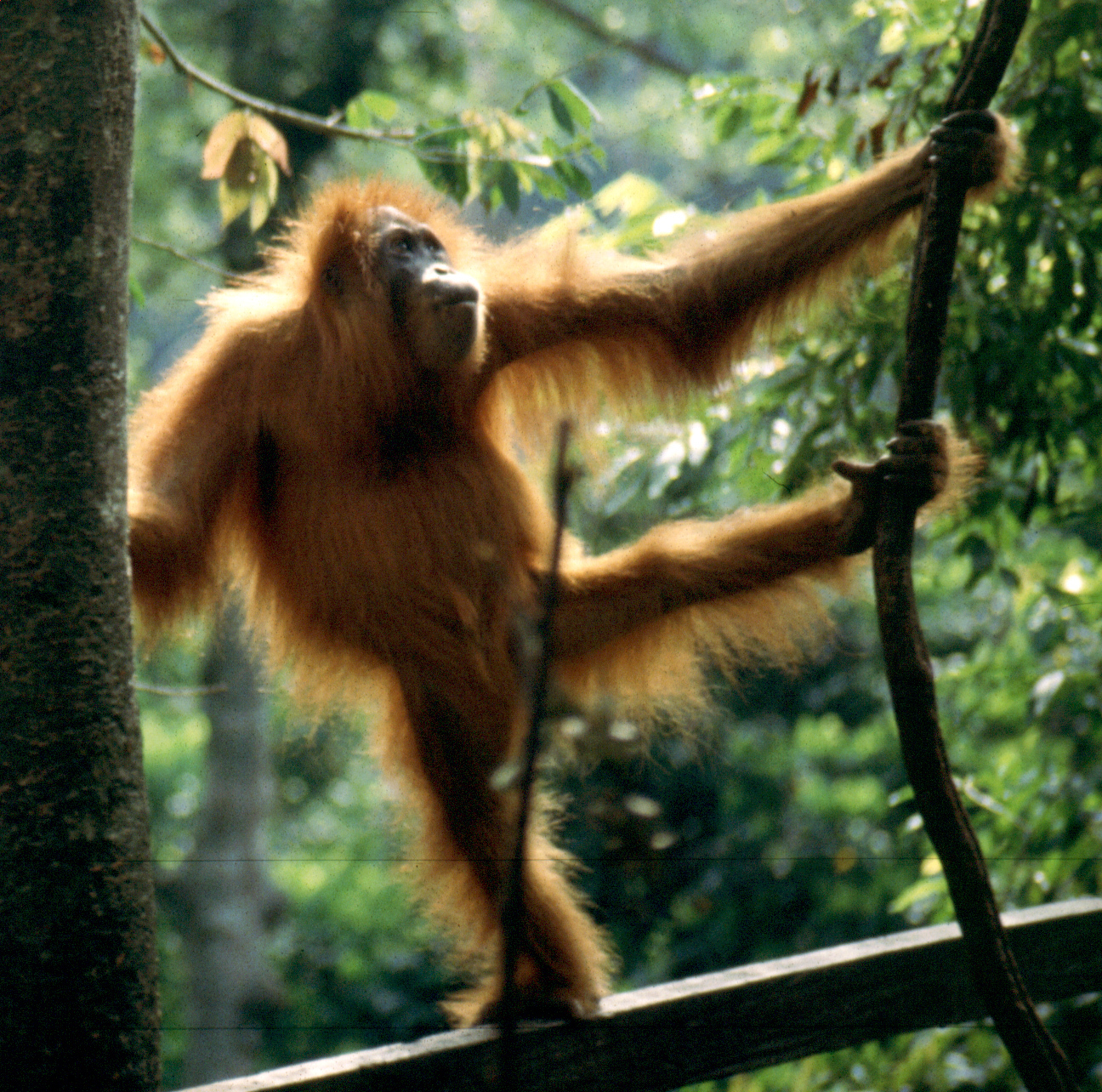
Image of Tropical Rainforest Heritage of Sumatra

© Dave59 at English Wikipedia, CC BY-SA 3.0 Resized from original. (This derivative is under the same CC BY-SA license.)

World Heritage Research

Discover scientific research and academic studies that deepen our understanding of Tropical Rainforest Heritage of Sumatra from its history and significance to its conservation, management, and contemporary challenges.

  • Contributing Environmental Factors of Habitat Suitability for the Great Argus (Argusianus argus) in Bukit Barisan Selatan National Park, Indonesia

    A study modeling the habitat suitability of the great argus (Argusianus argus) in Bukit Barisan Selatan National Park, Indonesia, revealed that primary forests located far from human disturbances and with lower rainfall levels are critical for its survival. Using the Maximum Entropy (MaxEnt) algorithm, researchers analyzed environmental variables such as elevation, slope, distance to rivers, and land cover, combined with field survey data. The model achieved high predictive accuracy (AUC = 0.846), identifying distance to roads, rainfall intensity, and primary forest presence as key factors influencing the species' distribution. These findings highlight the urgency of conserving undisturbed primary forests and mitigating road impacts to protect this vulnerable species and preserve the ecological integrity of Bukit Barisan Selatan National Park.

    Rahmilija, F., Hernowo, J. B., & Prasetyo, L. B. (2026). Contributing Environmental Factors of Habitat Suitability for the Great Argus (Argusianus argus) in Bukit Barisan Selatan National Park, Indonesia. Jurnal Manajemen Hutan Tropika (Journal of Tropical Forest Management), 32(1), 51–62. https://doi.org/10.7226/jtfm.32.1.51

    View Publication Record | Read Publication
  • Function and effectiveness of Management of the Bukit Barisan Selatan National Park, Indonesia

    Bukit Barisan Selatan National Park (BBSNP) demonstrated exceptional management effectiveness, achieving a 77% score during the 2015-2019 strategic planning period. This performance surpassed the minimum target of 70%, set by Indonesia's Directorate General of Natural Resources and Ecosystem Conservation, highlighting its outstanding conservation success. The study employed a literature review and the Management Effectiveness Tracking Tools (METT) method to assess BBSNP's functional status and management effectiveness. As part of the Tropical Rainforest Heritage of Sumatra, the park likely benefits from intensive management strategies aimed at preserving its unique ecological value. The findings underscore the critical role of strong leadership and cross-sectoral support in maintaining high conservation standards and optimizing the park's functions according to its vision and objectives.

    Christine Wulandari, Nanda Kurniasari, Wulan Ayu Lestari, Arif Ilmayawan, Hari Kaskoyo, & Samsul Bakri. (2023). Function and effectiveness of Management of the Bukit Barisan Selatan National Park, Indonesia. International Journal of Life Science Research Archive, 4(1), 189–197. https://doi.org/10.53771/ijlsra.2023.4.1.0033

    View Publication Record | Read Publication
  • Geothermal Exploitation in a World Heritage Site: A Case Study of Gunung Leuser National Park

    Geothermal exploitation within the core zone of Gunung Leuser National Park (GLNP) poses a significant threat to the international recognition of the Tropical Rainforest Heritage of Sumatra (TRHS) as a UNESCO World Heritage Site. Despite legal provisions such as Act No. 21/2014 aiming to facilitate geothermal energy development, this study reveals that such exploitation is legally unjustifiable within GLNP's core zone and could compromise TRHS's heritage status. The research employs normative legal analysis using secondary data, including primary and secondary legal materials, to assess the potential impacts of geothermal power plant activities on conservation interests and heritage recognition.

    Triatmodjo, M., Merdekawati, A., Nurvianto, S., Hasibuan, I. A. T., & Agung, I. G. P. (2021). GEOTHERMAL EXPLOITATION IN A WORLD HERITAGE SITE: A CASE STUDY OF GUNUNG LEUSER NATIONAL PARK. Yustisia Jurnal Hukum, 10(1), 94. https://doi.org/10.20961/yustisia.v10i1.47797

    View Publication Record | Read Publication
  • Keanekaragaman Hayati Flora dan Fauna di Kawasan Taman Nasional Bukit Barisan Selatan (TNBBS) Resort Merpas Bintuhan Kabupaten Kaur

    A rich biodiversity of flora and fauna was documented in the Bukit Barisan Selatan National Park (TNBBS), part of the UNESCO-listed Sumatra Tropical Rainforest Heritage Cluster. The study, conducted in April–May 2020, identified diverse species of mammals, birds, and plants, highlighting TNBBS's strategic role in biodiversity conservation. This national park, recognized for its endemic, rare, and protected species, contributes significantly to the global understanding of tropical rainforest ecosystems. The findings underscore the importance of TNBBS as a critical site for preserving biological diversity within Sumatra's mountainous rainforests.

    Malik, A. A., Prayudha S, J., Anggreany, R., Sari, M. W., & Walid, A. (2021). KEANEKARAGAMAN HAYATI FLORA DAN FAUNA DI KAWASAN TAMAN NASIONAL BUKIT BARISAN SELATAN (TNBBS) RESORT MERPAS BINTUHAN KABUPATEN KAUR. DIKSAINS : Jurnal Ilmiah Pendidikan Sains, 1(1), 35–42. https://doi.org/10.33369/diksains.1.1.35-42

    View Publication Record | Read Publication
  • Vegetation cover analysis and ecotourism business model for sustainable forest management in Gunung Leuser National Park, Indonesia

    Gunung Leuser National Park (GLNP), part of Sumatra's UNESCO-listed Tropical Rainforest Heritage, retains significant vegetation cover despite threats from illegal logging, encroachment, and oil palm expansion. Analysis using the Normalized Vegetation Index (NDVI) revealed that 58.7% of GLNP remains densely vegetated (classes 4 and 5). The study also proposed a Social Enterprise - Business Model Canvas (SE-BMC) to enhance ecotourism management by fostering collaboration with local communities and stakeholders, aiming for sustainable forest conservation.

    Hartoyo, A. P. P., Sunkar, A., Fadillah, A., Hidayati, S., Winata, B., & Hadi, A. N. (2021). Vegetation cover analysis and ecotourism business model for sustainable forest management in Gunung Leuser National Park, Indonesia. IOP Conference Series: Earth and Environmental Science, 771(1), 12001. https://doi.org/10.1088/1755-1315/771/1/012001

    View Publication Record | Read Publication
  • Planning to remove UNESCO World Heritage Sites in Sumatra from being ‘In Danger’

    A critical analysis of threats to the Tropical Rainforest Heritage of Sumatra (TRHS), a UNESCO World Heritage Site 'in danger' since 2011, identifies road infrastructure development as the primary anthropogenic threat. The study proposes three urgent actions: establishing an inter-ministerial body to coordinate conservation efforts and mitigate road impacts; improving Strategic Environmental Assessments (SEAs) through standardized training programs; and elevating existing regulations to a presidential-level policy to ensure consistency across sectors. These measures aim to address the fragmentation of protected areas, which endangers 85% of Sumatran orangutans, 65% of tigers, and other keystone species. The TRHS spans three national parks (Bukit Barisan Selatan, Kerinci Seblat, and Gunung Leuser) covering over 2.5 million hectares, with corrective actions requiring cross-agency collaboration to align subnational developments with central policies.

    Setyawati, T., Nando, S., Marthy, W., Andayani, N., Sheherazade, & Linkie, M. (2020). Planning to remove UNESCO World Heritage Sites in Sumatra from being ‘In Danger’. Animal Conservation, 24(2), 149–152. Portico. https://doi.org/10.1111/acv.12626

    View Publication Record | Read Publication
  • Mitigasi Bencana Banjir Kawasan Wisata Berkelanjutan (Studi Kasus: Bukit Lawang, Kecamatan Bahorok, Kabupaten Langkat)

    A combination of structural and non-structural flood mitigation strategies can transform Bukit Lawang, part of the UNESCO-listed Tropical Rainforest Heritage of Sumatra, into a sustainable tourist destination. The study, based on field surveys, literature reviews, and case analyses, found that while structural measures—such as infrastructure improvements—are effective, their impact is maximized when paired with non-structural approaches like early warning systems and community preparedness. This dual approach not only reduces flood risks but also preserves the site's ecological and cultural integrity, ensuring its long-term viability as both a conservation area and a tourist attraction.

    Ginting, N., & Pratama Putra, N. (2019). Mitigasi Bencana Banjir Kawasan Wisata Berkelanjutan (Studi Kasus: Bukit Lawang, Kecamatan Bahorok, Kabupaten Langkat). Talenta Conference Series: Energy and Engineering (EE), 2(1). https://doi.org/10.32734/ee.v2i1.408

    View Publication Record | Read Publication

About World Heritage Explorer

World Heritage Explorer is an independent educational project designed to uncover and share the richness of our world’s cultural and natural heritage. Dive into detailed site profiles, immersive imagery, interactive maps, and tools that help you explore UNESCO World Heritage Sites across the globe. Drawing extensively on open data sources, the project delivers authoritative, well-structured information for learners, educators, travelers, and younger explorers alike.

Learn more about the project

Nearby World Heritage Sites

Ombilin Coal Mining Heritage of Sawahlunto
211 km — Indonesia
Singapore Botanic Gardens
496 km — Singapore
Ujung Kulon National Park
635 km — Indonesia
Forest Research Institute Malaysia Forest Park Selangor
637 km — Malaysia
Archaeological Heritage of the Lenggong Valley
844 km — Malaysia
Flag of Indonesia

Indonesia and the World Heritage Convention

State Party since: July 6, 1989

Status: Acceptance

Mandates to the World Heritage Committee: 1989-1995, 2015-2019

Total of Mandate Years: 10

Total of Mandates: 2

WHC Electoral Group: IV (Asia/Pacific)

Learn more about Indonesia

Weather at the World Heritage Site

World Heritage Insights

World Heritage Sites Born of Fire: Exploring the Planet’s Volcanoes

Volcanic processes have shaped some of the most geologically significant and ecologically dynamic landscapes on Earth. The UNESCO World Heritage List recognizes numerous sites formed or profoundly influenced by volcanism, acknowledging their outstanding geological value, ecological processes, scenic grandeur, and biodiversity significance.

Islands and Archipelagos on the UNESCO World Heritage List

From remote atolls in the Pacific Ocean to volcanic islands in the Atlantic, Mediterranean island cities, and vast archipelagic seas, islands appear in many different forms across the UNESCO World Heritage List. Their geographic separation has fostered exceptional biodiversity, shaped cultural identities, encouraged maritime exchange, and created landscapes unlike those found on continental landmasses.

Last updated: September 8, 2026

Portions of the page Tropical Rainforest Heritage of Sumatra are based on data from UNESCO — World Heritage List Dataset and on text from the Wikipedia article Tropical Rainforest Heritage of Sumatra, licensed under CC BY-SA 4.0. Changes made. Additional original content by World Heritage Explorer (WHE), licensed under CC BY-SA 4.0. WHE is not affiliated with UNESCO or the World Heritage Committee. Legal Notice. Privacy Policy.

Open Data for an Open World