World Heritage Identification Number: 13
World Heritage since: 2024
Category: Cultural Heritage
WHE Type: Archaeological Sites
Transboundary Heritage: No
Endangered Heritage: No
Country: 🇪🇹 Ethiopia
Continent: Africa
UNESCO World Region: Africa
Map
Unveiling Human Evolution: Melka Kunture and Balchit: Archaeological and Palaeontological Sites in the Highland Area of Ethiopia
The Melka Kunture and Balchit archaeological and palaeontological sites, located in the Upper Awash Valley of Ethiopia, offer a unique window into human evolution and adaptation to high-altitude environments. Inscribed as a UNESCO World Heritage Site in 2024, these sites have been instrumental in shedding light on the presence of early hominins in the region dating back approximately two million years.
More to come…UNESCO Description of the World Heritage Site
Located in the Upper Awash Valley in Ethiopia, the serial property is a cluster of prehistoric sites that preserve archaeological and palaeontological records – including footprints – that testify to the area’s occupation by the hominin groups from two million years ago. The sites, situated about 2,000 to 2,200 metres above sea level, yielded Homo erectus, Homo heidelbergensis and archaic Homo sapiens fossils, documented in well-dated strata in association with various tools made from volcanic rocks. The cultural sequence includes four consecutive phases of the Oldowan, Acheulean, Middle Stone Age and Late Stone Age techno-complexes. Fragments of palaeo-landscapes, preserved buried under volcanic and sedimentary deposits with fossil fauna and flora, allow reconstruction of the high-mountain ecosystem of the Ethiopian Highlands during the Pleistocene. Conclusions can thus be drawn on the adaptation of hominin groups to the challenges and climatic conditions of high altitudes.
UNESCO Justification of the World Heritage Site
Criterion (iii): The ensemble of Pleistocene archaeological and palaeontological sites of Melka Kunture and Balchit is the only known place in the world to have preserved in a single area an exceptionally long cultural sequence consisting of four consecutive phases of Oldowan, Acheulean, Middle Stone Age and Late Stone Age techno-complexes. Hominin fossils of Homo erectus, Homo heidelbergensis and archaic Homo sapiens discovered in well-dated archaeological layers with Oldowan, Acheulean and Middle Stone Age industries, paired with the evidence of varying use of different rocks through time, contribute to the understanding of human evolution, development of cognitive capacities in early hominin groups, and their adaptation to the environment by employing different strategies of raw material procurement and use.
Criterion (iv): Fragments of Quaternary fossil landscapes, preserved buried under volcanic tuffs and sedimentary deposits of the ensemble of Pleistocene archaeological and palaeontological sites of Melka Kunture and Balchit, allow to reconstruct the palaeo-environment and palaeo-climate of the Ethiopian Highlands during the Pleistocene epoch and understand better the lifestyle of hominin groups occupying the area. Hominin remains documented within the property provide one of the earliest evidence of human occupation of high altitudes and their adaptation to the high-mountain ecosystem, different from the dry savannas of lower elevations, which marks a significant stage in human history. The volcanic material that buried the palaeo-landscapes has scientific value as it allows to date and establish the chronology of the cultural horizons.
Criterion (v): The cluster of Pleistocene archaeological and palaeontological sites of Melka Kunture and Balchit testifies in an exceptional way to the consistent exploitation of obsidian as a raw material and its extensive use for tool production that starts with the Oldowan industry. It is the earliest known example of obsidian utilisation, and the only known place in the world that holds an uninterrupted record of systematic procurement of this volcanic glass and its knapping since two million years ago. High-quality and quantity of standardised obsidian tools found in Acheulean contexts suggests possible introduction of specialised production sites.
Encyclopedia Record: Melka Kunture
Melka Kunture is a Paleolithic site in the upper Awash Valley, Ethiopia. It is located 50 kilometers south of Addis Ababa by road, across the Awash River from the village of Melka Awash. Three waterfalls lie downstream of the bridge across the Awash here, which provides access south to Butajira. The site became a World Heritage Site in 2024.Additional Site Details
Area: Not available
Number of Components: 6
(iv) — Outstanding example of a type of building or landscape
(v) — Outstanding example of traditional human settlement
Coordinates: 8.7034722222 , 38.5990833333
Image
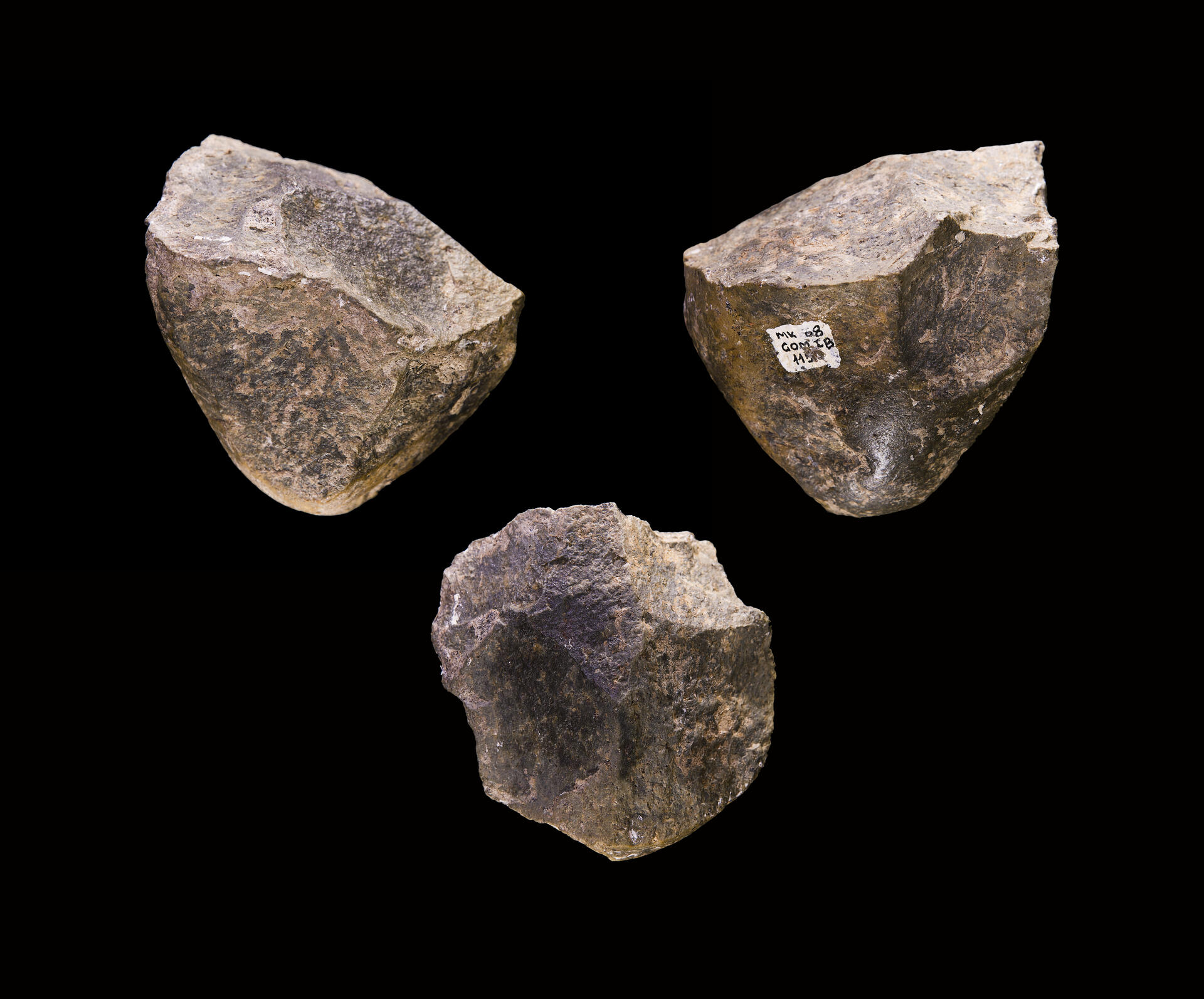
© Didier Descouens, CC BY-SA 4.0 Resized from original. (This derivative is under the same CC BY-SA license.)