World Heritage Identification Number: 669
World Heritage since: 1993
Category: Cultural Heritage
WHE Type: Religious Sites & Sacred Architecture
Transboundary Heritage: No
Endangered Heritage: No
Country: 🇪🇸 Spain
Continent: Europe
UNESCO World Region: Europe and North America
Map
Exploring the Routes of Santiago de Compostela: Camino Francés and Routes of Northern Spain
The Routes of Santiago de Compostela: Camino Francés and Routes of Northern Spain is a remarkable UNESCO World Heritage Site located in Spain. Originally inscribed in 1993, this extensive network of historic pilgrimage routes stretches across northern Spain and forms part of the renowned Camino de Santiago, or Way of St. James. In 2015, the UNESCO designation was expanded and renamed to reflect the inclusion of additional northern pilgrimage routes and associated monuments.
The site comprises several historic pilgrimage routes leading to the sacred city of Santiago de Compostela, a separate World Heritage Site, where the tomb of Saint James the Greater is traditionally believed to rest. Among the most significant routes are the Camino Francés (French Way), the Camino Primitivo (Primitive Way), the Camino del Norte (Northern or Coastal Way), the Camino Vasco del Interior (Basque Interior Way), and the Liébana Route. Each route offers a distinct journey through Spain’s diverse landscapes, cultures, and architectural traditions.
One of the most notable features along these pilgrimage routes is the remarkable concentration of historic cathedrals, monasteries, churches, hospitals, bridges, and pilgrims’ hostels. Many of these structures date back to the medieval period and were constructed to support the growing number of pilgrims traveling to Santiago de Compostela. Today, these monuments stand as enduring reminders of the spiritual, cultural, and social importance of pilgrimage in medieval Europe.
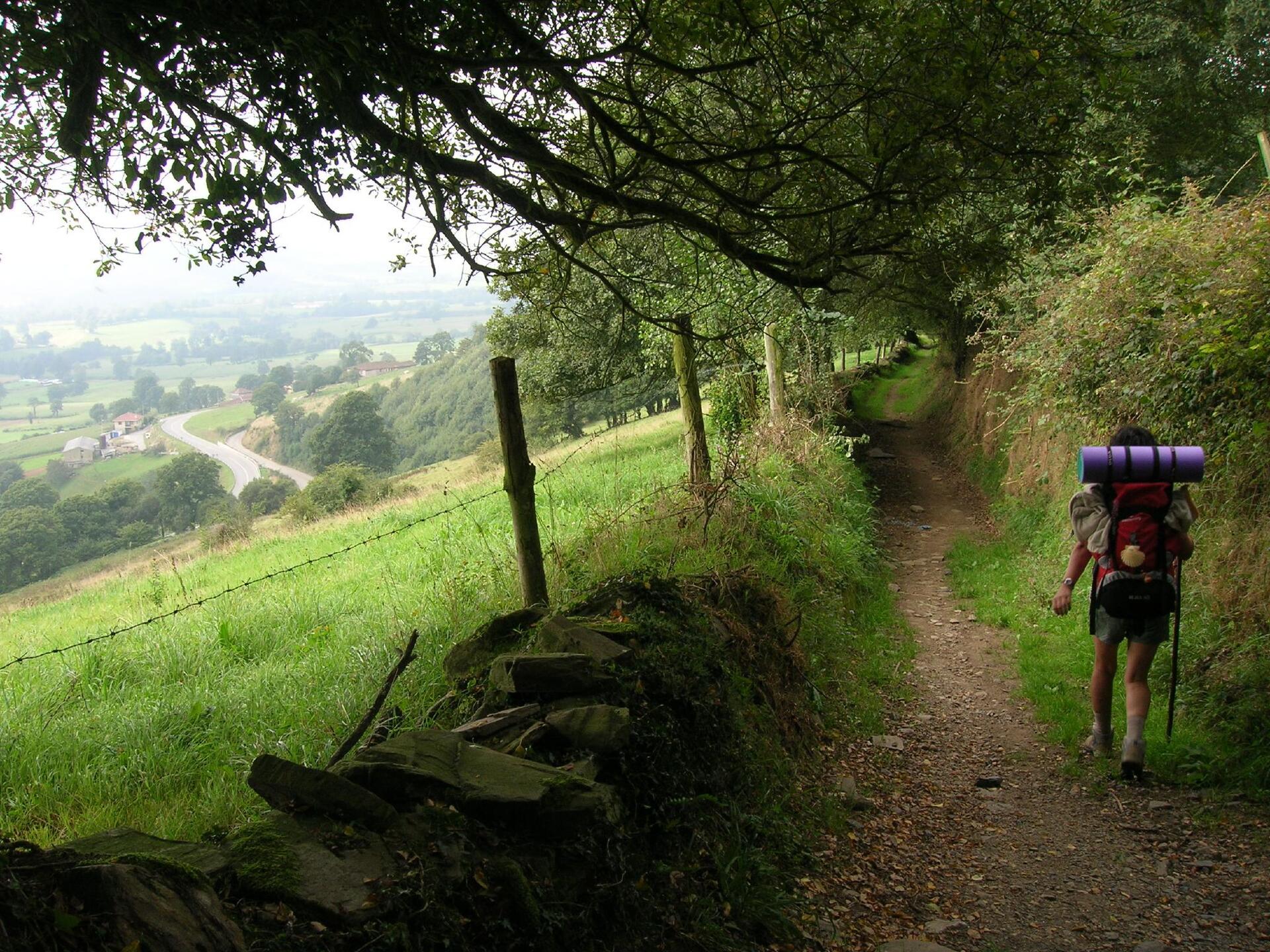
One of the most famous and well-trodden paths within the Routes of Santiago de Compostela is the French Way (Camino Francés), widely regarded as the principal pilgrimage route to Santiago de Compostela. Traditionally beginning in the French town of Saint-Jean-Pied-de-Port and crossing the Pyrenees into Spain through Roncesvalles, the route passes through historic cities, rural villages, vineyards, and rolling plains before reaching Santiago de Compostela. Along the way, pilgrims encounter many outstanding examples of Romanesque, Gothic, and Baroque architecture.
Another historically significant route is the Camino Primitivo, considered the oldest recorded pilgrimage route to Santiago de Compostela. Originating in the city of Oviedo in Asturias, this route was first traveled by King Alfonso II in the 9th century after news of Saint James’s tomb spread across the Iberian Peninsula. The Camino Primitivo traverses mountainous terrain, dense forests, and remote villages, offering a more demanding and secluded pilgrimage experience.
Meanwhile, the Camino del Norte follows the northern coastline of Spain along the Bay of Biscay. Renowned for its dramatic coastal scenery, the route passes through vibrant cities such as San Sebastián, Bilbao, Santander, and Gijón, while also connecting pilgrims to historic churches, monasteries, and medieval towns. Its maritime landscapes and cooler climate distinguish it from the more inland Camino Francés.
The Camino Vasco del Interior and the Liébana Route offer alternative pilgrimage experiences for travelers seeking quieter and less crowded paths. The Basque Interior Way crosses the inland landscapes of the Basque Country, passing through forests, valleys, and historic market towns, while the Liébana Route winds through the rugged mountains of Cantabria and connects with the Monastery of Santo Toribio de Liébana, one of Christianity’s important pilgrimage destinations.
In addition to the pilgrimage routes themselves, the UNESCO designation also includes numerous individually protected monuments of exceptional historical and architectural value. These include landmarks such as the San Salvador Cathedral of Oviedo, the Basilica of San Isidoro, and the Monastery of Santo Domingo de Silos. These buildings not only showcase the architectural sophistication of medieval Spain but also provide insight into the religious and cultural practices of the time.
Beyond their religious significance, the pilgrimage routes played a crucial role in facilitating cultural exchange across medieval Europe. Pilgrims traveling along the Camino de Santiago contributed to the spread of artistic styles, architectural techniques, languages, music, and ideas between different regions of the continent. As a result, the routes became important corridors of cultural interaction that helped shape European identity during the Middle Ages.
The UNESCO recognition of the Camino de Santiago pilgrimage tradition extends beyond this particular designation. The historic city of Santiago de Compostela itself was separately inscribed as a World Heritage Site in 1985 due to its exceptional religious and architectural significance. In addition, the Routes of Santiago de Compostela in France were recognized by UNESCO in 1998, highlighting the broader international network of pilgrimage paths that historically guided travelers toward Santiago de Compostela.
Today, the Routes of Santiago de Compostela continue to attract pilgrims, hikers, historians, and travelers from around the world. Whether undertaken for religious devotion, cultural exploration, personal reflection, or physical challenge, the journey offers a unique opportunity to experience the rich historical and spiritual heritage of Spain. By walking these ancient paths, modern travelers participate in a centuries-old tradition that continues to inspire millions each year.
UNESCO Description of the World Heritage Site
A network of four Christian pilgrimage routes in northern Spain, the site is an extension of the Route of Santiago de Compostela, a serial site inscribed on the World Heritage List in 1993. The extension represents a network of almost 1,500 km: coastal, interior of the Basque Country–La Rioja, Liébana and primitive routes. It includes a built heritage of historical importance created to meet the needs of pilgrims, including cathedrals, churches, hospitals, hostels and even bridges. The extension encompasses some of the earliest pilgrimage routes to Santiago de Compostela, following the discovery in the 9thcentury of a tomb believed to be that of St. James the Greater.
UNESCO Justification of the World Heritage Site
Criterion (ii): The Route of Santiago de Compostela played a crucial role in the two-way exchange of cultural advances between the Iberian Peninsula and the rest of Europe, especially during the Middle Ages, but also in subsequent centuries. The wealth of cultural heritage that has emerged in association with the Camino is vast, marking the birth of Romanesque art and featuring extraordinary examples of Gothic, Renaissance, and Baroque art. Moreover, in contrast with the waning of urban life in the rest of the Iberian Peninsula during the Middle Ages, the reception and commercial activities emanating from the Camino de Santiago led to the growth of cities in the north of the Peninsula and gave rise to the founding of new ones.
Criterion (iv): The Route of Santiago de Compostela has preserved the most complete material registry of all Christian pilgrimage routes, featuring ecclesiastical and secular buildings, large and small enclaves, and civil engineering structures.
Criterion (vi): The Route of Santiago de Compostela bears outstanding witness to the power and influence of faith among people of all social classes and origins in medieval Europe and later.
Encyclopedia Record: Routes of Santiago de Compostela: Camino Francés and Routes of Northern Spain
The Routes of Santiago de Compostela: Camino Francés and Routes of Northern Spain is a UNESCO World Heritage Site located in Spain. It was designated in 1993, and later expanded and renamed in 2015. The complete site includes a network of five traditional pilgrimage routes of the Way of Saint James as it passes through Northern Spain: the popular French Way, the Primitive Way, the Northern or Coastal Way, the Interior Way and the Liébana Route; as well as 16 of the most "culturally significant" individual structures, including religious and civil buildings.Additional Site Details
Area: Not available
Number of Components: 20
(iv) — Outstanding example of a type of building or landscape
(vi) — Directly associated with events or living traditions
Coordinates: 43.335 , -6.4147222222