World Heritage Identification Number: 1768
World Heritage since: 2026
Category: Cultural Heritage
WHE Type: Historic Cities & Urban Areas
Transboundary Heritage: No
Endangered Heritage: No
Country: 🇰🇲 Comoros
Continent: Africa
UNESCO World Region: Africa
Map
The Medinas of the Historic Sultanates of the Comoros: A Blend of Cultures and Architecture
The Medinas of the Historic Sultanates of the Comoros, inscribed as a UNESCO World Heritage Site in 2026, offers a unique glimpse into the rich history, culture, and architecture of this Indian Ocean archipelago. Comprising six historic towns, these medinas represent the evolution of urban centers that emerged around the 11th century and transformed into city-states by the 14th-15th century.
More to come…UNESCO Description of the World Heritage Site
The serial property is composed of six historic towns which developed from urban nuclei that emerged around at least the 11th century and evolved into city-states around the 14th-15th century. They eventually became the principal urban centres of the sultanates established on the islands of the archipelago of Comoros. With a common hierarchical system of social organisation, based on matrilineal and matrilocal customs, age-group systems, and patrilineal Islamic traditions still alive today, the property showcases insular urban forms and architectural expressions that resulted from cultural exchanges related to migration and Indian Ocean trade networks, embedded in the local social, geographical, and environmental context.Encyclopedia Record: List of sultans in the Comoro Islands
Several sultanates in the Comoro Islands, an archipelago in the Indian Ocean, were founded after the introduction of Islam into the area in the 15th century. Other titles could also be fani, mfaume and ntibe. Unlike sultans in many other Arab nations, these sultans had little real power. At one time alone on the island of Ndzuwani or Nzwani, 40 fanis and other chiefs shared power of the island; Ngazidja was at many times divided into 11 sultanates. This article addresses the major sultanates.Additional Site Details
Area: 30.47 hectares
Number of Components: 6
(iv) — Outstanding example of a type of building or landscape
Coordinates: -11.7036027778 , 43.252725
Image
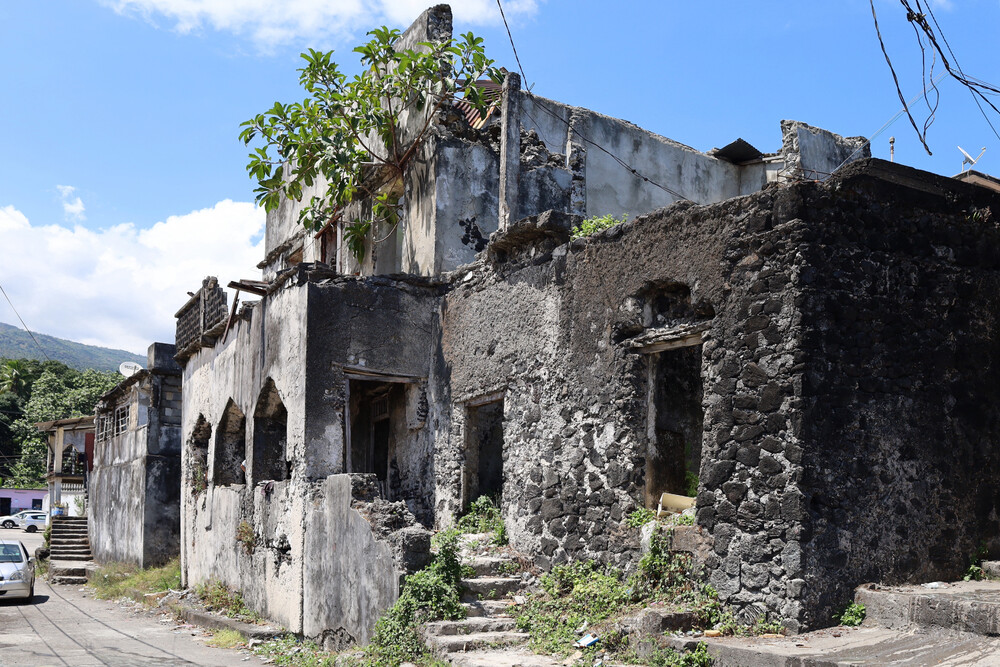
© RC Heritage. Used with permission.