
World Heritage Identification Number: 1143
World Heritage since: 2004
Category: Cultural Heritage
WHE Type: Cultural Landscapes
Transboundary Heritage: No
Endangered Heritage: No
Country: 🇳🇴 Norway
Continent: Europe
UNESCO World Region: Europe and North America
Map
A Cultural Landscape of Resilience: Vegaøyan - The Vega Archipelago
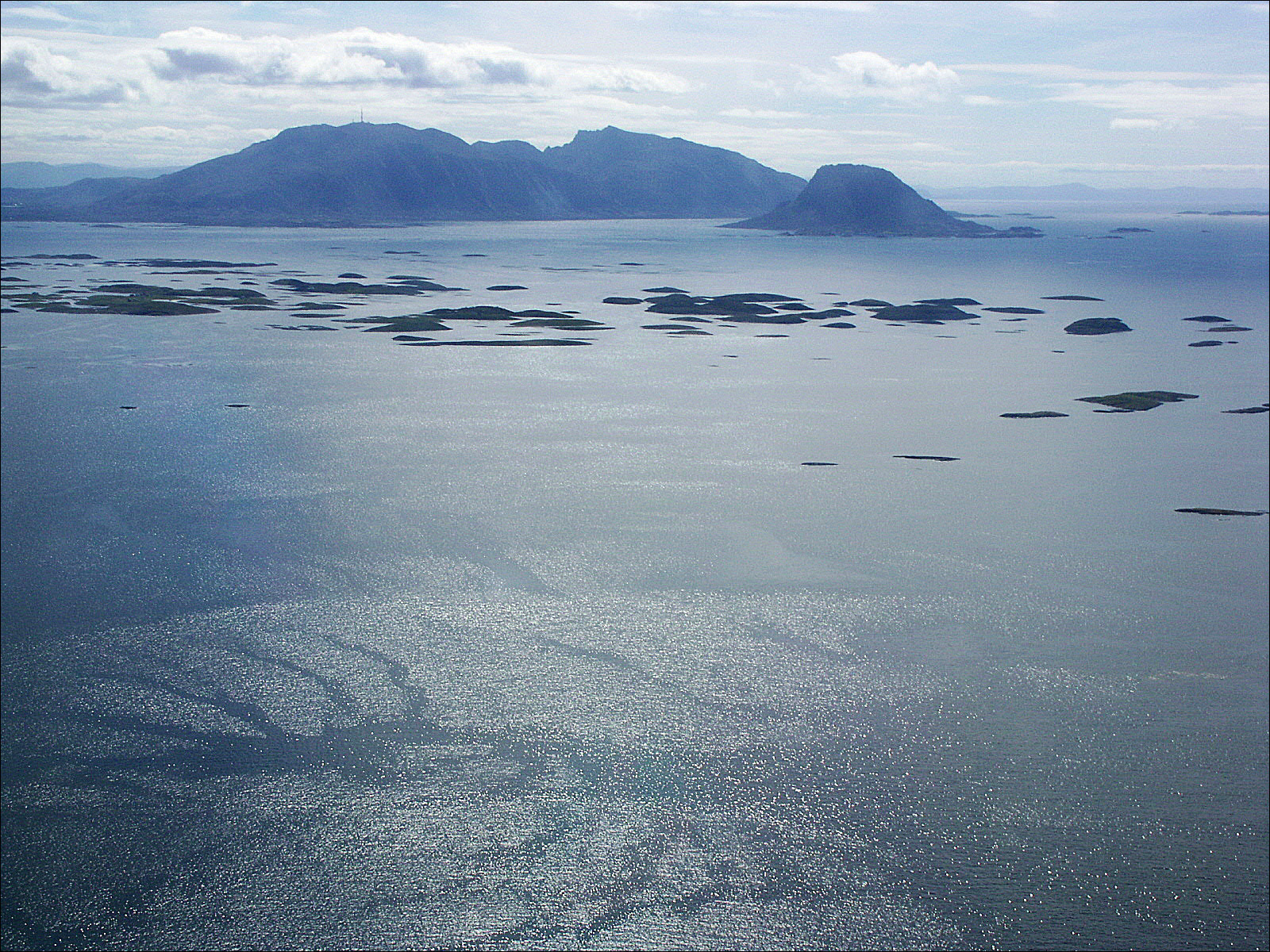
The Vega Archipelago, a cluster of approximately 6,500 small islands situated in the Norwegian Sea, offers a unique glimpse into the resilient spirit of humanity in one of Earth's harshest environments. Stretching across 107,294 hectares, this UNESCO World Heritage Site, inscribed in 2004, lies primarily within Vega Municipality, Norway.
More to come…UNESCO Description of the World Heritage Site
A cluster of dozens of islands centred on Vega, just south of the Arctic Circle, forms a cultural landscape of 107,294 ha, of which 6,881 ha is land. The islands bear testimony to a distinctive frugal way of life based on fishing and the harvesting of the down of eider ducks, in an inhospitable environment. There are fishing villages, quays, warehouses, eider houses (built for eider ducks to nest in), farming landscapes, lighthouses and beacons. There is evidence of human settlement from the Stone Age onwards. By the 9th century, the islands had become an important centre for the supply of down, which appears to have accounted for around a third of the islanders’ income. The Vega Archipelago reflects the way fishermen/farmers have, over the past 1,500 years, maintained a sustainable living and the contribution of women to eiderdown harvesting.
UNESCO Justification of the World Heritage Site
Criterion (v): The Vega archipelago reflects the way generations of fishermen-farmers have, over the past 1500 years, maintained a sustainable living in an inhospitable seascape near the Arctic Circle, based on the now unique practice of eider down harvesting, and it also celebrates women’s contribution to the eider down process.
Encyclopedia Record: Vegaøyan
Vegaøyan (Norwegian) or the Vega Archipelago (English) is a group of islands in the Norwegian Sea in Nordland county, Norway. The archipelago is mostly located in Vega Municipality. Since 2004, the archipelago has been a UNESCO World Heritage Site. This cluster of around 6,500 small islands just south of the Arctic Circle, surrounds the main island of Vega and has been inhabited since the Stone Age. Other larger islands in the group include Igerøya, Ylvingen, and Søla.Additional Site Details
Area: 107,294 hectares
Number of Components: 1
Coordinates: 65.61667 , 11.75
World Heritage Research
Discover scientific research and academic studies that deepen our understanding of Vegaøyan – The Vega Archipelago from its history and significance to its conservation, management, and contemporary challenges.
-
Cultural landscapes: challenges and possibilities: Vegaøyan – The Vega Archipelago, Norway
The Vega Archipelago, inscribed as Norway's first cultural landscape on the World Heritage List in 2004, exemplifies a unique and resilient way of life adapted to an exposed Arctic seascape. This study highlights the challenges and opportunities inherent in preserving such landscapes, which consist of low, treeless islands centered around the more mountainous Vega island. The research approach involves analyzing the interplay between the archipelago's natural environment and human development, emphasizing its distinctive cultural significance. By examining the frugal yet adaptive practices of its inhabitants, the study underscores the importance of balancing conservation efforts with sustainable use to safeguard this fragile ecosystem for future generations.
Johansen, R. (2012). Cultural landscapes: challenges and possibilities: Vegaøyan – The Vega Archipelago, Norway. World Heritage, 53–65. https://doi.org/10.1017/cbo9781139567657.008
View Publication Record | Read Publication -
The Norwegian reform of protected area management: a grand experiment with delegation of authority?
Norway's 2009 reform of protected area management, which delegated authority to over 40 local management boards, significantly shifted the balance toward local user interests while likely reducing conflicts. The study examines how this 'grand experiment' in decentralization impacts long-term environmental goals, particularly in threatened areas like Vegaøyan – a UNESCO-listed Cultural Heritage Site with substantial environmental elements. By analyzing governance structures and stakeholder dynamics, researchers found that while local boards prioritize user needs, policy measures are needed to safeguard ecological integrity. The reform's implications for balancing local autonomy with conservation objectives highlight both its potential and challenges in protected area management.
Fauchald, O. K., & Gulbrandsen, L. H. (2012). The Norwegian reform of protected area management: a grand experiment with delegation of authority? Local Environment, 17(2), 203–222. https://doi.org/10.1080/13549839.2012.660910
View Publication Record | Read Publication
