
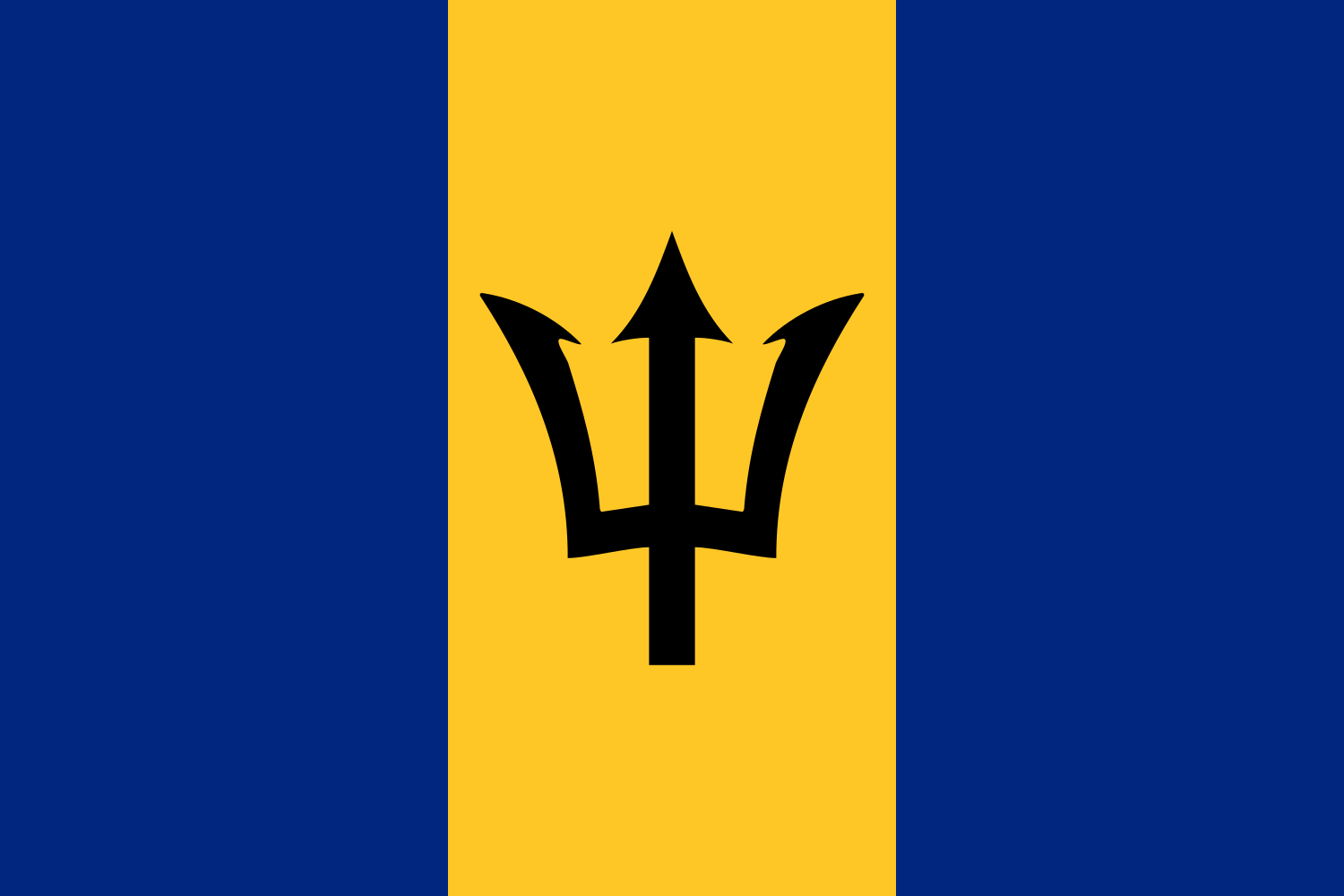
 Barbados
Barbados as a State Party to the World Heritage Convention
State Party since: April 9, 2002
Status: Acceptance
Mandates to the World Heritage Committee: 2007-2011
Total of Mandate Years: 4
Total of Mandates: 1
WHC Electoral Group: III (Latin America/Caribbean)
World Heritage Sites in Barbados (1)
Cultural: 1 | Natural: 0 | Mixed: 0
- Historic Bridgetown and its Garrison · Cultural
Map of World Heritage Sites
This interactive map shows the location of all UNESCO World Heritage Sites in Barbados.
World Heritage Inscription Timeline
Tentative World Heritage Sites (2)
- The Industrial Heritage of Barbados: The Story of Sugar and Rum · submitted: December 2, 2014
- The Scotland District of Barbados · submitted: January 18, 2005
Country Profile Barbados
Official Name: Barbados
Continent: Americas
Subregion: Caribbean
UNESCO Region: Latin America and the Caribbean
Capital: Bridgetown
Population (2024): 282,467
Land Area: 430 km²
Currency: Barbadian dollar (BBD)
Related Resources
About States Parties
States Parties are countries that have joined the World Heritage Convention. They commit to identifying, nominating, and protecting properties of outstanding cultural or natural value on their territory. States Parties are also expected to monitor and report on the condition of inscribed sites.