
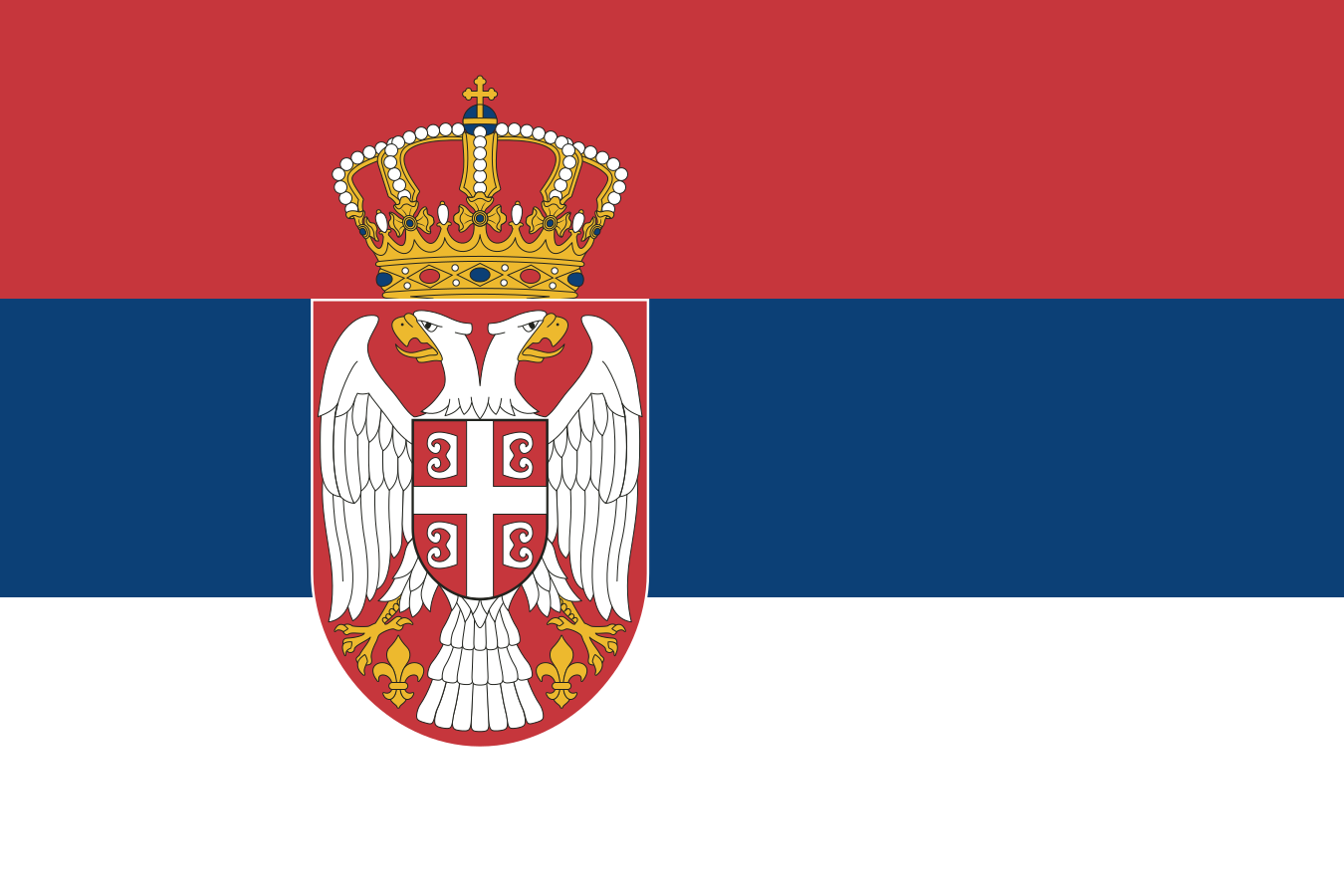
 Serbia
Serbia as a State Party to the World Heritage Convention
State Party since: September 11, 2001
Status: Succession
Mandates to the World Heritage Committee: 2011-2015
Total of Mandate Years: 4
Total of Mandates: 1
WHC Electoral Group: II (Eastern Europe)
World Heritage Sites in Serbia (5)
Cultural: 5 | Natural: 0 | Mixed: 0
- Gamzigrad-Romuliana, Palace of Galerius · Cultural
- Medieval Monuments in Kosovo · Cultural
- Stari Ras and Sopoćani · Cultural
- Stećci Medieval Tombstone Graveyards · Cultural (Transboundary)
- Studenica Monastery · Cultural
Map of World Heritage Sites
This interactive map shows the location of all UNESCO World Heritage Sites in Serbia.
World Heritage Inscription Timeline
Tentative World Heritage Sites (12)
- Extension to the existing World Heritage Property “Ancient and Primeval Beech Forests of the Carpathians and Other Regions of Europe” · submitted: November 25, 2025
- Frontiers of the Roman Empire – The Danube Limes · submitted: January 31, 2020
- Cultural landscape of Bač and its surroundings · submitted: February 1, 2019
- Fortified Manasija Monastery · submitted: April 15, 2010
- Negotinske Pivnice · submitted: April 15, 2010
- Smederevo Fortress · submitted: April 15, 2010
- Caričin Grad – Iustiniana Prima, archaeological site · submitted: April 15, 2010
- Djerdap National Park · submitted: March 18, 2002
- The Deliblato Sands Special Natural Reserve · submitted: March 18, 2002
- Mt. Sara National Park · submitted: March 18, 2002
- The Tara National Park with the Drina River Canyon · submitted: March 18, 2002
- The Djavolja Varos (Devil's Town) Natural Landmark · submitted: March 18, 2002
Country Profile Serbia
Official Name: Republic of Serbia
Continent: Europe
Subregion: Southeast Europe
UNESCO Region: Europe and North America
Capital: Belgrade
Population (2024): 6,587,202
Land Area: 84,090 km²
Currency: Serbian dinar (RSD)
Related Resources
About States Parties
States Parties are countries that have joined the World Heritage Convention. They commit to identifying, nominating, and protecting properties of outstanding cultural or natural value on their territory. States Parties are also expected to monitor and report on the condition of inscribed sites.