
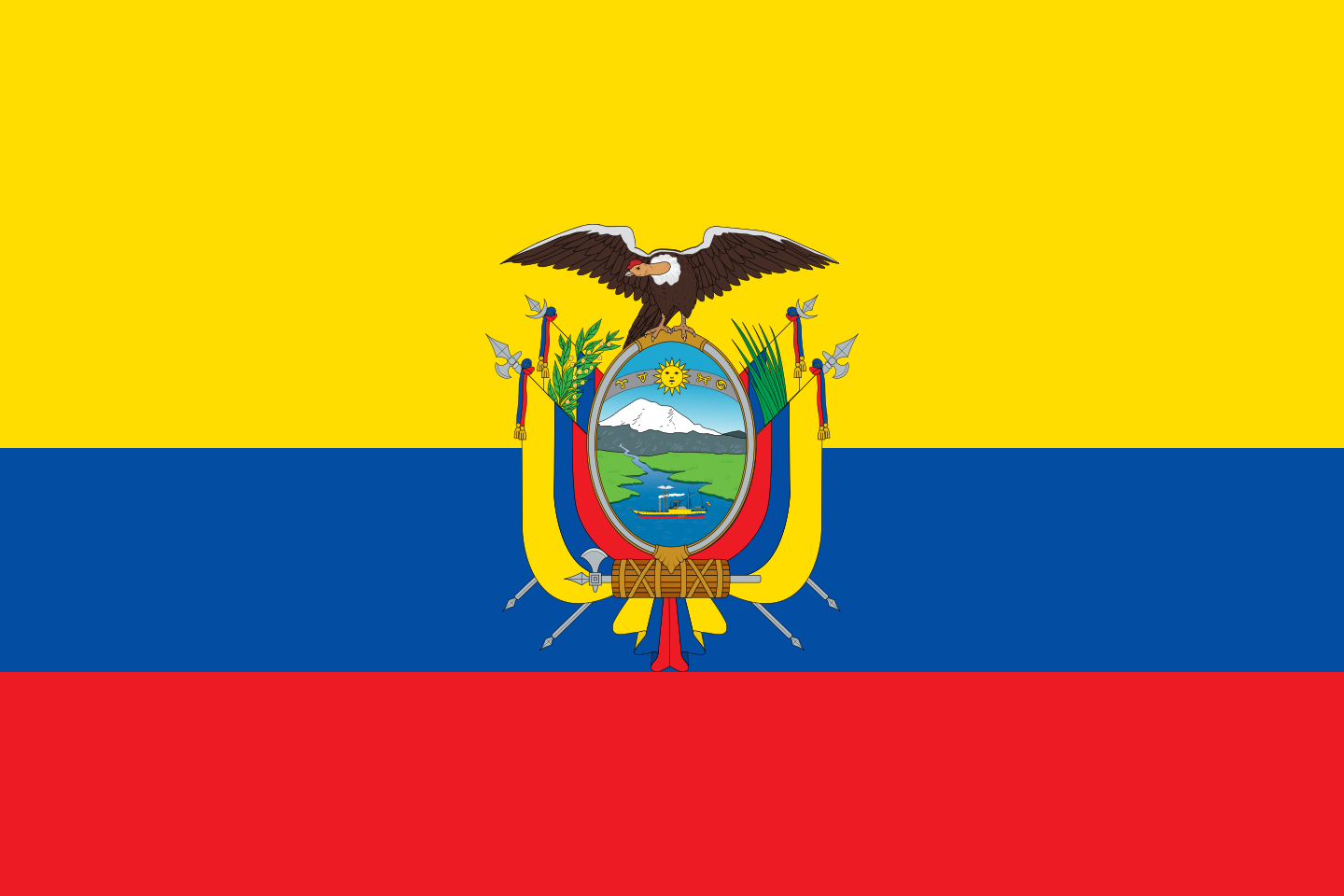
 Ecuador
Ecuador as a State Party to the World Heritage Convention
State Party since: June 16, 1975
Status: Acceptance
Mandates to the World Heritage Committee: 1976-1980, 1995-2001
Total of Mandate Years: 10
Total of Mandates: 2
WHC Electoral Group: III (Latin America/Caribbean)
World Heritage Sites in Ecuador (5)
Cultural: 3 | Natural: 2 | Mixed: 0
- City of Quito · Cultural
- Galápagos Islands · Natural
- Historic Centre of Santa Ana de los Ríos de Cuenca · Cultural
- Qhapaq Ñan, Andean Road System · Cultural (Transboundary)
- Sangay National Park · Natural
Map of World Heritage Sites
This interactive map shows the location of all UNESCO World Heritage Sites in Ecuador.
World Heritage Inscription Timeline
Tentative World Heritage Sites (6)
- Galápagos Islands (extension) · submitted: January 6, 2026
- Zaruma ciudad minera · submitted: February 24, 2016
- Cultural Itinerary of Ecuador's Trans-Andean Train · submitted: February 24, 2016
- Mayo Chinchipe - Marañón archaeological landscape · submitted: February 24, 2016
- Parque Nacional Machalilla · submitted: June 30, 1998
- Bosque petrificado de Puyango · submitted: June 30, 1998
Country Profile Ecuador
Official Name: Republic of Ecuador
Continent: Americas
Subregion: South America
UNESCO Region: Latin America and the Caribbean
Capital: Quito
Population (2024): 18,135,478
Land Area: 248,360 km²
Currency: United States dollar (USD)
Related Resources
About States Parties
States Parties are countries that have joined the World Heritage Convention. They commit to identifying, nominating, and protecting properties of outstanding cultural or natural value on their territory. States Parties are also expected to monitor and report on the condition of inscribed sites.