
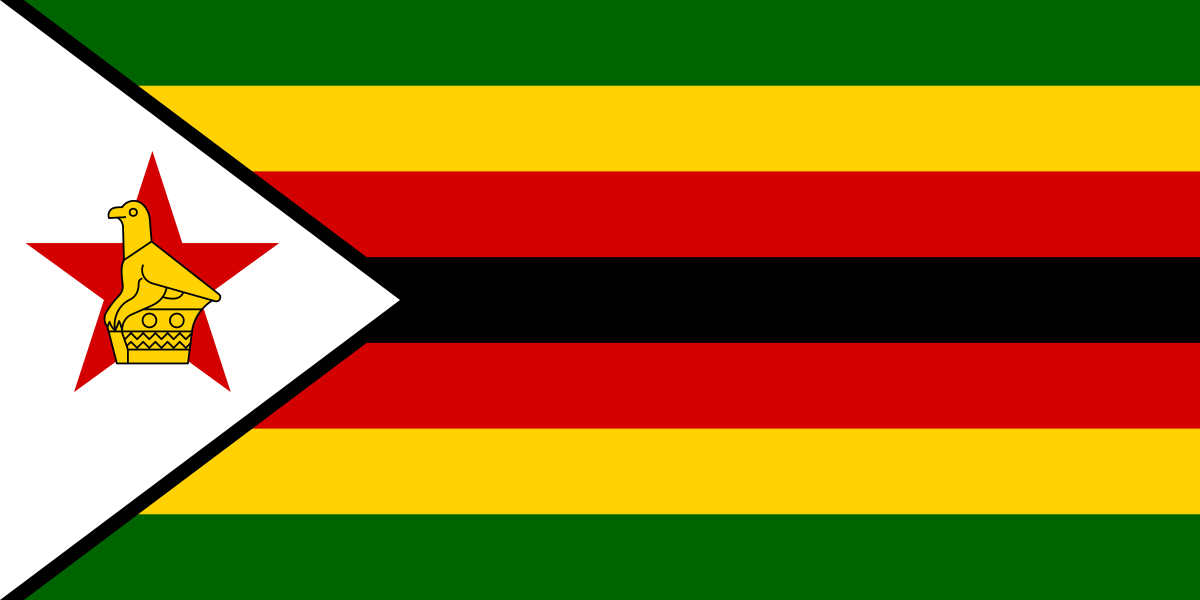
 Zimbabwe
Zimbabwe as a State Party to the World Heritage Convention
State Party since: August 16, 1982
Status: Ratification
Mandates to the World Heritage Committee: 1997-2003, 2015-2019
Total of Mandate Years: 10
Total of Mandates: 2
WHC Electoral Group: V(a) (Africa)
World Heritage Sites in Zimbabwe (5)
Cultural: 3 | Natural: 2 | Mixed: 0
- Great Zimbabwe National Monument · Cultural
- Khami Ruins National Monument · Cultural
- Mana Pools National Park, Sapi and Chewore Safari Areas · Natural
- Matobo Hills · Cultural
- Mosi-oa-Tunya / Victoria Falls · Natural (Transboundary)
Map of World Heritage Sites
This interactive map shows the location of all UNESCO World Heritage Sites in Zimbabwe.
World Heritage Inscription Timeline
Tentative World Heritage Sites (5)
- Chimanimani National Park, Eland sanctuary, Rusitu and Haroni botanical reserves · submitted: December 19, 2025
- Mavhuradonha Wilderness · submitted: December 19, 2025
- Ziwa National Monument · submitted: December 19, 2025
- Gonarezhou National Park · submitted: December 19, 2025
- Naletale Cluster of Dzimbabwes · submitted: November 27, 2018
Country Profile Zimbabwe
Official Name: Republic of Zimbabwe
Continent: Africa
Subregion: Southern Africa
UNESCO Region: Africa
Capital: Harare
Population (2024): 16,634,373
Land Area: 386,850 km²
Currency: Zimbabwean dollar (ZWL)
Related Resources
About States Parties
States Parties are countries that have joined the World Heritage Convention. They commit to identifying, nominating, and protecting properties of outstanding cultural or natural value on their territory. States Parties are also expected to monitor and report on the condition of inscribed sites.