
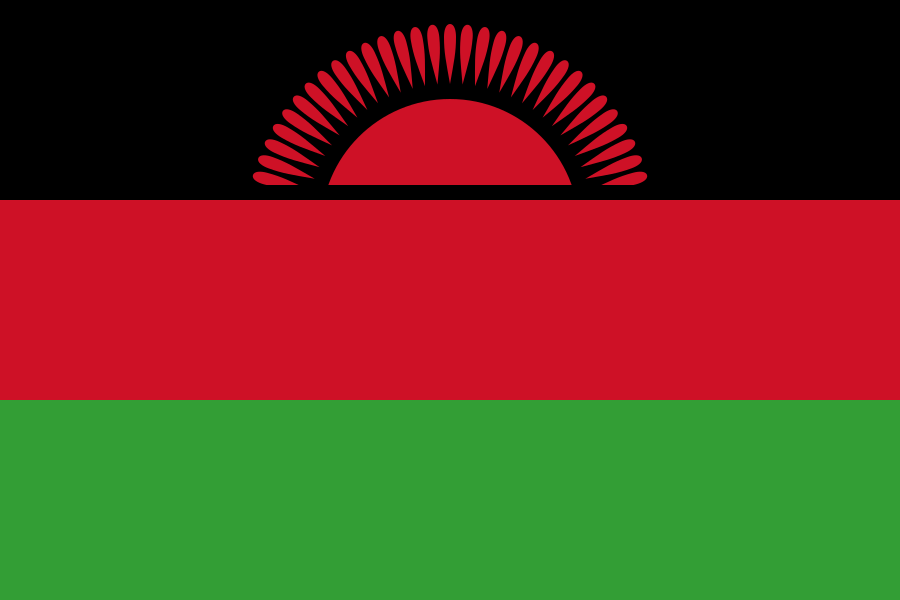
 Malawi
Malawi as a State Party to the World Heritage Convention
State Party since: January 5, 1982
Status: Ratification
Mandates to the World Heritage Committee: 1983-1989
Total of Mandate Years: 6
Total of Mandates: 1
WHC Electoral Group: V(a) (Africa)
World Heritage Sites in Malawi (3)
Cultural: 2 | Natural: 1 | Mixed: 0
- Chongoni Rock-Art Area · Cultural
- Lake Malawi National Park · Natural
- Mount Mulanje Cultural Landscape · Cultural
Map of World Heritage Sites
This interactive map shows the location of all UNESCO World Heritage Sites in Malawi.
World Heritage Inscription Timeline
Tentative World Heritage Sites (7)
- Malawi Slave Heritage Route and Dr. David Livingstone Trail · submitted: October 6, 2025
- Karonga Fossilised Geoheritage Landscape · submitted: October 6, 2025
- Lake Chilwa Wetland · submitted: October 6, 2025
- Fort Mangochi and Makanjira Historical Corridor · submitted: October 6, 2025
- Khulubvi and Associated Mbona Rain Shrines Cultural Landscape · submitted: October 6, 2025
- Malape Pillars Geological Heritage · submitted: October 6, 2025
- Nyika-Vwaza Wildlife Reserve · submitted: October 6, 2025
Country Profile Malawi
Official Name: Republic of Malawi
Continent: Africa
Subregion: Eastern Africa
UNESCO Region: Africa
Capital: Lilongwe
Population (2024): 21,655,286
Land Area: 94,280 km²
Currency: Malawian kwacha (MWK)
Related Resources
About States Parties
States Parties are countries that have joined the World Heritage Convention. They commit to identifying, nominating, and protecting properties of outstanding cultural or natural value on their territory. States Parties are also expected to monitor and report on the condition of inscribed sites.