
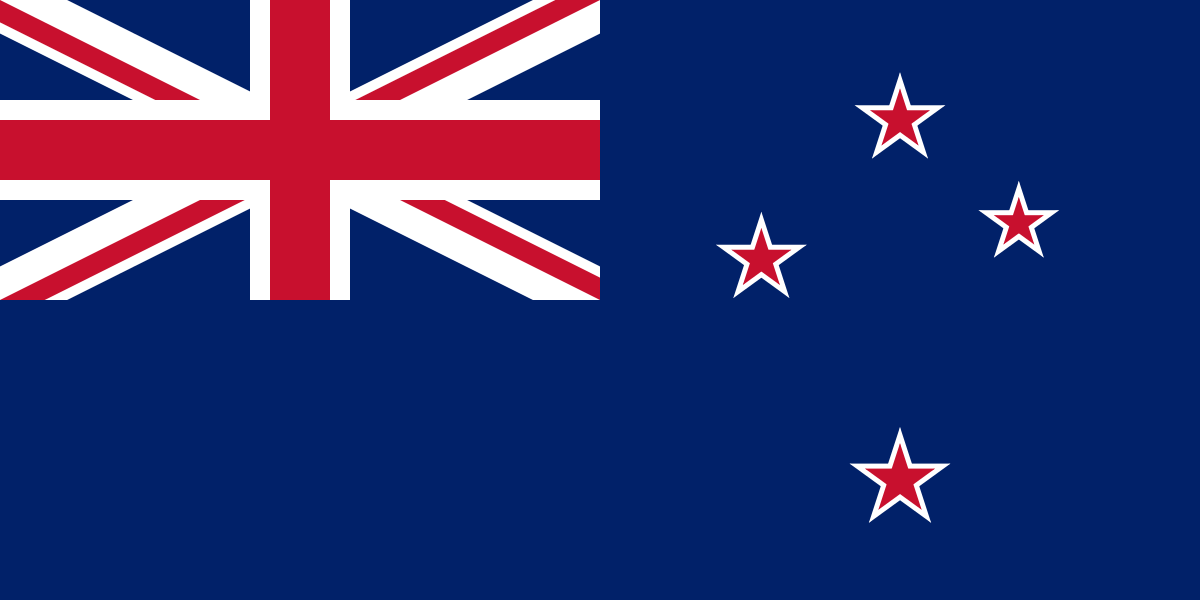
 New Zealand
New Zealand as a State Party to the World Heritage Convention
State Party since: November 22, 1984
Status: Ratification
Mandates to the World Heritage Committee: 2003-2007
Total of Mandate Years: 4
Total of Mandates: 1
WHC Electoral Group: IV (Asia/Pacific)
World Heritage Sites in New Zealand (3)
Cultural: 0 | Natural: 2 | Mixed: 1
- New Zealand Sub-Antarctic Islands · Natural
- Te Wahipounamu – South West New Zealand · Natural
- Tongariro National Park · Mixed
Map of World Heritage Sites
This interactive map shows the location of all UNESCO World Heritage Sites in New Zealand.
World Heritage Inscription Timeline
Tentative World Heritage Sites (8)
- Auckland Volcanic Fields · submitted: March 30, 2007
- Waters and seabed of Fiordland (Te Moana O Atawhenua) · submitted: March 30, 2007
- Kahurangi National Park, Farewell Spit and Canaan karst system · submitted: March 30, 2007
- Kerikeri Basin historic precinct · submitted: March 30, 2007
- Kermadec Islands and Marine reserve · submitted: March 30, 2007
- Napier Art Deco historic precinct · submitted: March 30, 2007
- Whakarua Moutere (North East Islands) · submitted: March 30, 2007
- Waitangi Treaty Grounds historic precinct · submitted: March 30, 2007
Country Profile New Zealand
Official Name: New Zealand
Continent: Oceania
Subregion: Australia and New Zealand
UNESCO Region: Asia and the Pacific
Capital: Wellington
Population (2024): 5,338,500
Land Area: 263,310 km²
Currency: New Zealand dollar (NZD)
Related Resources
About States Parties
States Parties are countries that have joined the World Heritage Convention. They commit to identifying, nominating, and protecting properties of outstanding cultural or natural value on their territory. States Parties are also expected to monitor and report on the condition of inscribed sites.