
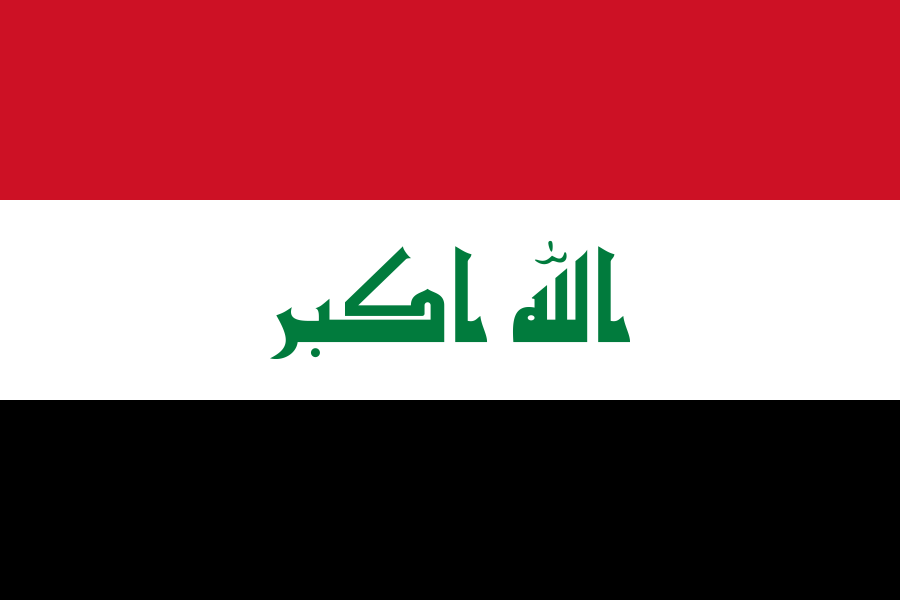
 Iraq
IraqIraq as a State Party to the World Heritage Convention
State Party since: March 5, 1974
Status: Acceptance
Mandates to the World Heritage Committee: 1976-1983, 2009-2013
Total of Mandate Years: 11
Total of Mandates: 2
WHC Electoral Group: V(b) (Arab States)
World Heritage Sites in Iraq (6)
Cultural: 5 | Natural: 0 | Mixed: 1
- Ashur (Qal'at Sherqat) · Cultural
- Babylon · Cultural
- Erbil Citadel · Cultural
- Hatra · Cultural
- Samarra Archaeological City · Cultural
- The Ahwar of Southern Iraq: Refuge of Biodiversity and the Relict Landscape of the Mesopotamian Cities · Mixed
Map of World Heritage Sites
This interactive map shows the location of all UNESCO World Heritage Sites in Iraq.
World Heritage Inscription Timeline
Tentative World Heritage Sites (15)
- Archaeological site of Aqar Quf (ancient Dur-Kurigalzu) · submitted: January 31, 2025
- The Hajj Pilgrimage Routes: The Darb Zubaydah · submitted: January 2, 2022
- Kirkuk Citadel · submitted: April 6, 2021
- Lalish Temple · submitted: April 15, 2020
- Old City of Mosul · submitted: August 17, 2018
- Nippur · submitted: February 20, 2017
- Bestansur Neolithic settlement · submitted: January 20, 2017
- Historical Features of the Tigris River in Baghdad Rusafa, which extends from the school Al-Mustansiriya to the Abbasid Palace · submitted: March 28, 2014
- Amedy city · submitted: February 2, 2011
- Wadi Al-Salam Cemetery in Najaf · submitted: January 24, 2011
- The Site of Thilkifl · submitted: January 21, 2010
- Nimrud · submitted: July 7, 2000
- The Ancient City of Nineveh · submitted: July 7, 2000
- The Fortress of Al-Ukhaidar · submitted: July 7, 2000
- Wasit · submitted: July 7, 2000
Country Profile Iraq
Official Name: Republic of Iraq
Continent: Asia
Subregion: Western Asia
UNESCO Region: Arab States
Capital: Baghdad
Population (2024): 46,042,015
Land Area: 434,130 km²
Currency: Iraqi dinar (IQD)
Related Resources
About States Parties
States Parties are countries that have joined the World Heritage Convention. They commit to identifying, nominating, and protecting properties of outstanding cultural or natural value on their territory. States Parties are also expected to monitor and report on the condition of inscribed sites.