
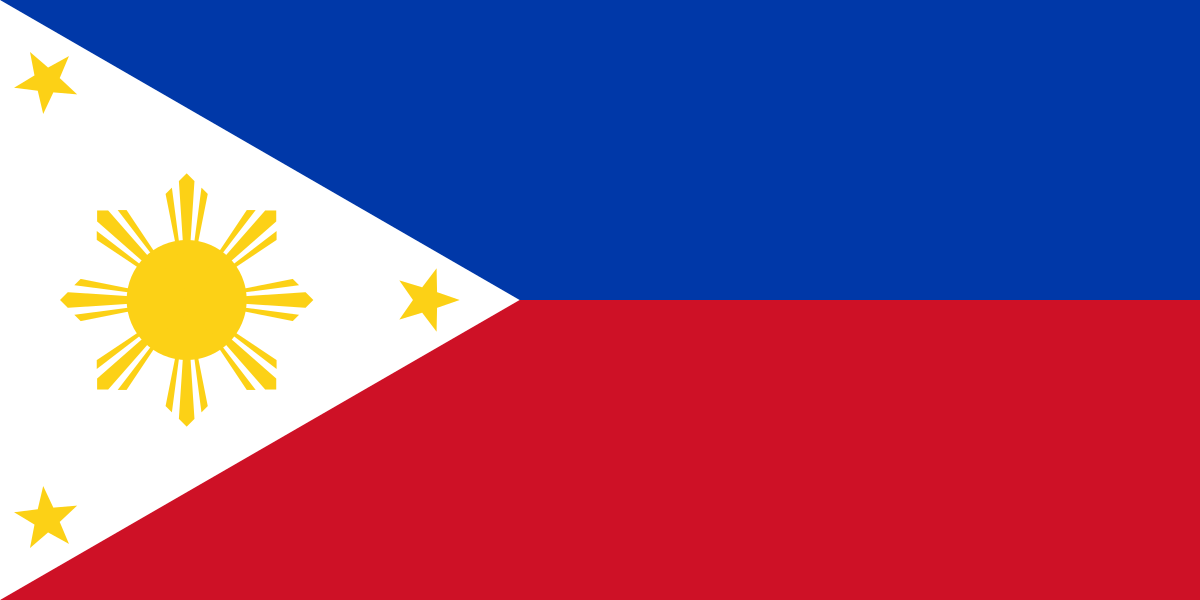
 Philippines
Philippines as a State Party to the World Heritage Convention
State Party since: September 19, 1985
Status: Ratification
Mandates to the World Heritage Committee: 1991-1997, 2013-2017
Total of Mandate Years: 10
Total of Mandates: 2
WHC Electoral Group: IV (Asia/Pacific)
World Heritage Sites in Philippines (6)
Cultural: 3 | Natural: 3 | Mixed: 0
- Baroque Churches of the Philippines · Cultural
- Historic City of Vigan · Cultural
- Mount Hamiguitan Range Wildlife Sanctuary · Natural
- Puerto-Princesa Subterranean River National Park · Natural
- Rice Terraces of the Philippine Cordilleras · Cultural
- Tubbataha Reefs Natural Park · Natural
Map of World Heritage Sites
This interactive map shows the location of all UNESCO World Heritage Sites in Philippines.
World Heritage Inscription Timeline
Tentative World Heritage Sites (25)
- The Sugar Cultural Landscape of Negros and Panay Islands · submitted: February 7, 2024
- The Historic Towns and Landscape of Taal Volcano and its Caldera Lake · submitted: February 7, 2024
- Colonial Urban Plan and Fortifications of the Walled City of Manila · submitted: February 7, 2024
- Agusan Marsh Wildlife Sanctuary · submitted: February 7, 2024
- Kitanglad and Kalatungan Mountain Ranges: Sacred Sites of Bukidnon · submitted: February 7, 2024
- Corregidor Island and Historic Fortifications of Manila Bay · submitted: February 7, 2024
- Samar Island Natural Park · submitted: February 7, 2024
- Prehistoric Sites of the Cagayan Valley Basin · submitted: February 7, 2024
- Rice Terraces of the Philippine Cordilleras (Extension) · submitted: February 7, 2024
- Mount Hamiguitan Range Wildlife Sanctuary (Extension) - Pujada Bay · submitted: February 7, 2024
- Mt. Mantalingahan Protected Landscape · submitted: March 20, 2015
- Turtle Islands Wildlife Sanctuary · submitted: March 20, 2015
- Mayon Volcano Cultural Landscape · submitted: March 20, 2015
- The Tabon Cave Complex and all of Lipuun · submitted: May 16, 2006
- Butuan Archeological Sites · submitted: May 16, 2006
- Baroque Churches of the Philippines (Extension) · submitted: May 16, 2006
- Chocolate Hills Natural Monument · submitted: May 16, 2006
- Mt. Malindang Range Natural Park · submitted: May 16, 2006
- Mt. Pulag National Park · submitted: May 16, 2006
- Apo Reef Natural Park · submitted: May 16, 2006
- El Nido-Taytay Managed Resource Protected Area · submitted: May 16, 2006
- Coron Island Natural Biotic Area · submitted: May 16, 2006
- Mt. Iglit-Baco National Park · submitted: May 16, 2006
- Northern Sierra Madre Natural Park and outlying areas inclusive of the buffer zone · submitted: May 16, 2006
- Batanes Protected landscapes and seascapes · submitted: August 15, 1993
Country Profile Philippines
Official Name: Republic of the Philippines
Continent: Asia
Subregion: South-Eastern Asia
UNESCO Region: Asia and the Pacific
Capital: Manila
Population (2024): 115,843,670
Land Area: 298,170 km²
Currency: Philippine peso (PHP)
Related Resources
About States Parties
States Parties are countries that have joined the World Heritage Convention. They commit to identifying, nominating, and protecting properties of outstanding cultural or natural value on their territory. States Parties are also expected to monitor and report on the condition of inscribed sites.